


What's Happening?
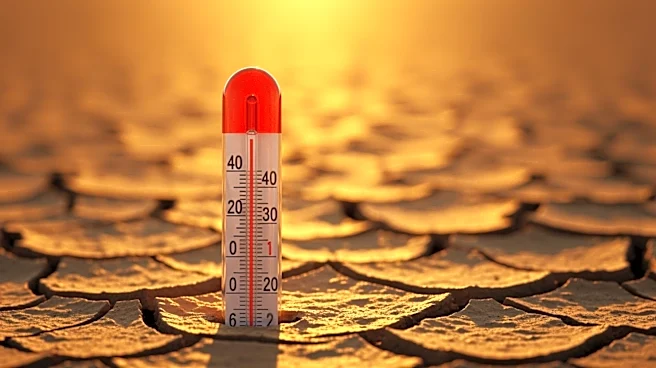
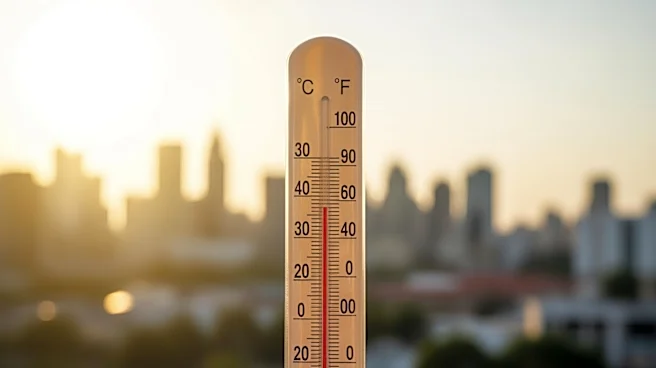
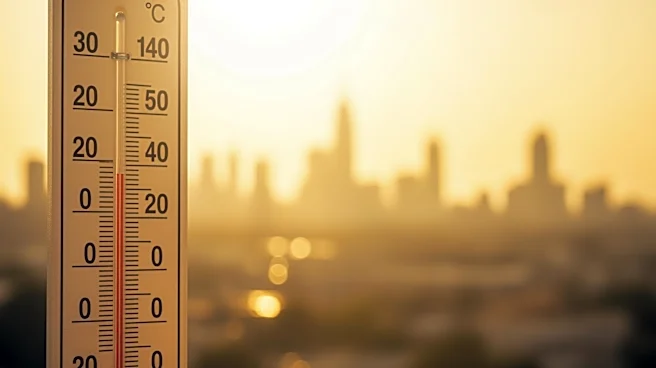
New York City experienced a record-breaking heat wave on April 15, 2026, with temperatures soaring to 90 degrees, surpassing the previous record of 87 degrees set in 1941. Meteorologists attribute the unseasonably high temperatures to a large ridge of high pressure,
which has prevented cold air from cooling the eastern United States. The warm weather is expected to continue with temperatures reaching 89 degrees on Thursday and 80 degrees on Friday. However, a return to cooler, more typical April temperatures is forecasted for the weekend, with highs dropping into the 50s and 60s. Areas north of New York City, such as Westchester County, may experience stormy weather with strong winds and downpours.
Why It's Important?
The record-breaking heat in New York City highlights the impact of unusual weather patterns and climate variability. Such temperature extremes can affect public health, energy consumption, and infrastructure. Residents may face increased risks of heat-related illnesses, while energy demand for cooling systems could rise, potentially straining the power grid. The abrupt temperature changes also serve as a reminder of the broader implications of climate change, prompting discussions on preparedness and adaptation strategies. The event underscores the need for cities to develop resilient systems to cope with extreme weather conditions.
What's Next?
As temperatures are expected to drop over the weekend, New Yorkers will need to adjust to cooler conditions after the brief heat wave. Meteorologists predict a return to average April temperatures, which may bring relief to those affected by the sudden heat. The city may also need to prepare for potential stormy weather in surrounding areas, which could lead to localized flooding or disruptions. Long-term, this event may encourage policymakers and urban planners to consider climate resilience measures to better handle future temperature fluctuations and extreme weather events.