


What's Happening?
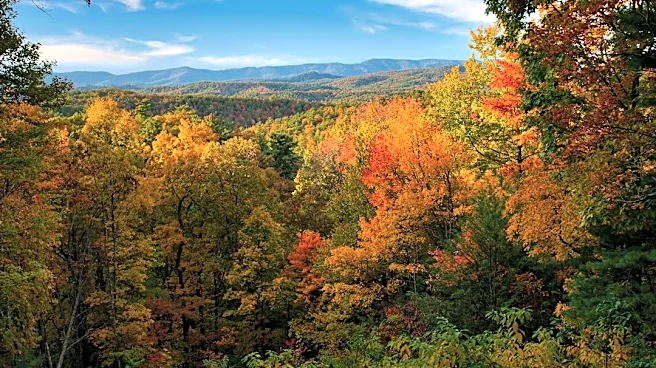
The Bureau of Land Management (BLM) Eastern Interior Field Office has announced an extension of summer motor vehicle limitations for the White Mountains National Recreation Area and the Steese National Conservation Area. This decision comes because the typical
October 15 transition to winter motor vehicle restrictions, which usually allows only snowmobiles, cannot proceed as planned. The region has not yet received the target depth of six inches of snow cover required for winter limitations to take effect. Consequently, the summer authorization for wheeled Off-Highway Vehicle (OHV) use, which would otherwise be prohibited under winter rules, will remain in place. The BLM manages approximately 245 million acres of public land, primarily in 12 western states including Alaska, with a mission to sustain the health, diversity, and productivity of these lands for current and future generations.
Why It's Important?
This extension of summer motor vehicle limitations by the BLM has direct implications for recreational users and environmental management in Alaska's White Mountains and Steese National Conservation Areas. For OHV enthusiasts, it means continued access to these public lands for a longer period than typically allowed in the fall. However, it also highlights the impact of changing weather patterns and potentially delayed snowfall on land management practices. The BLM's decision is crucial for preventing resource damage that could occur if wheeled vehicles were to operate on insufficient snow cover, which protects underlying vegetation and soil. This situation underscores the agency's commitment to its mission of sustaining the health and productivity of public lands, balancing recreational access with environmental protection. The flexibility in adapting regulations to real-time environmental conditions is vital for effective land management and ensuring the long-term ecological integrity of these valuable natural areas.
What's Next?
The BLM Eastern Interior Field Office will continue to monitor snow accumulation in the White Mountains National Recreation Area and the Steese National Conservation Area. The summer motor vehicle limitations will remain in effect until sufficient snow cover, specifically six inches, is achieved to safely transition to winter restrictions, which typically permit only snowmobile use. Recreational users planning to visit these areas should stay informed about current conditions and regulations by contacting the BLM Fairbanks Public Room. This adaptive management approach ensures that land use policies are responsive to environmental realities, protecting the natural resources while providing appropriate recreational opportunities. The situation also serves as a reminder for visitors to be aware of and adhere to the specific guidelines for vehicle use on public lands, which are designed to minimize environmental impact.
Beyond the Headlines
The BLM's decision to extend summer motor vehicle limitations due to insufficient snow cover is a tangible example of how climate variability directly impacts land management and recreational activities in the U.S. The delay in reaching the typical six-inch snow depth for winter restrictions reflects broader trends in changing weather patterns, which can have cascading effects on ecosystems, wildlife, and human activities. This situation highlights the increasing need for adaptive management strategies that can respond to unpredictable environmental conditions. It also underscores the delicate balance between providing public access to natural areas and protecting their ecological integrity. The long-term implications of such climate shifts could necessitate more frequent adjustments to recreational access policies, potentially altering traditional seasonal activities and requiring greater public awareness and compliance to prevent environmental degradation. This event serves as a micro-level illustration of the macro-level challenges posed by a changing climate on federal land management.