
What's Happening?
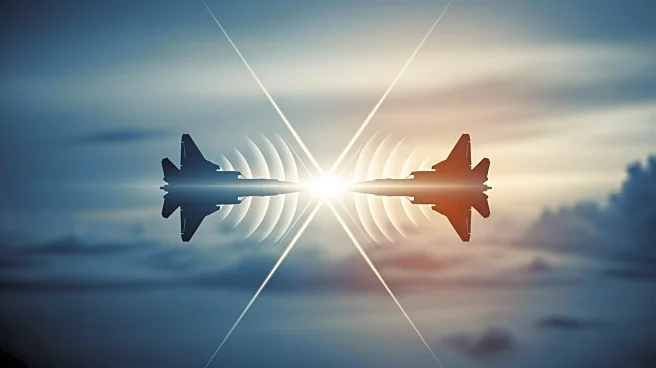
Tensions between China and Japan have intensified following incidents where Chinese J-15 fighter jets locked radars on Japanese aircraft near Okinawa. Japan has protested these actions, which are considered
a threat as radar locking can signal a potential attack. The incidents occurred during a Chinese naval exercise, with Japan responding by scrambling its fighter jets. Diplomatic relations between the two countries have been strained, particularly after Japan's Prime Minister suggested possible military action if China attacked Taiwan.
Why It's Important?
The radar-lock incidents highlight the fragile state of diplomatic relations in East Asia, where historical tensions and territorial disputes continue to pose challenges. The situation underscores the potential for military confrontations and the need for diplomatic efforts to prevent escalation. The actions of both nations could have broader implications for regional security and international relations, affecting trade, alliances, and geopolitical stability. The incidents also reflect the ongoing strategic competition in the Asia-Pacific region, with implications for global security dynamics.
What's Next?
Both China and Japan are likely to engage in diplomatic discussions to address the incidents and prevent further escalation. International stakeholders, including the United States and regional organizations, may play a role in mediating the situation and promoting dialogue. The incidents could lead to increased military readiness and strategic posturing by both nations, with potential impacts on regional security policies. Ongoing monitoring and diplomatic engagement will be crucial to managing tensions and ensuring stability in the region.