






What's Happening?
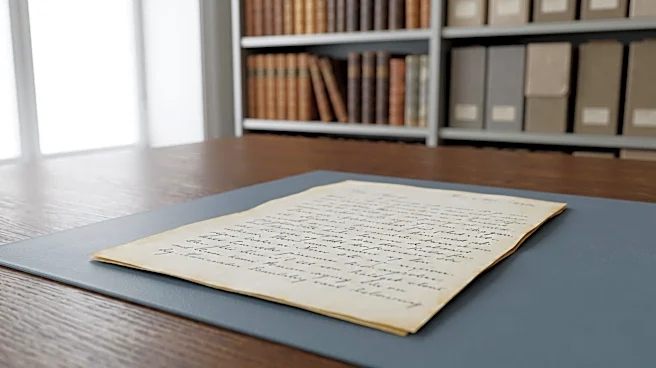
A 1901 document from the American Library Association (ALA) outlined strict rules enforced in libraries during that era, highlighting a stark contrast to contemporary library environments. Among these regulations was a strong emphasis on maintaining silence,
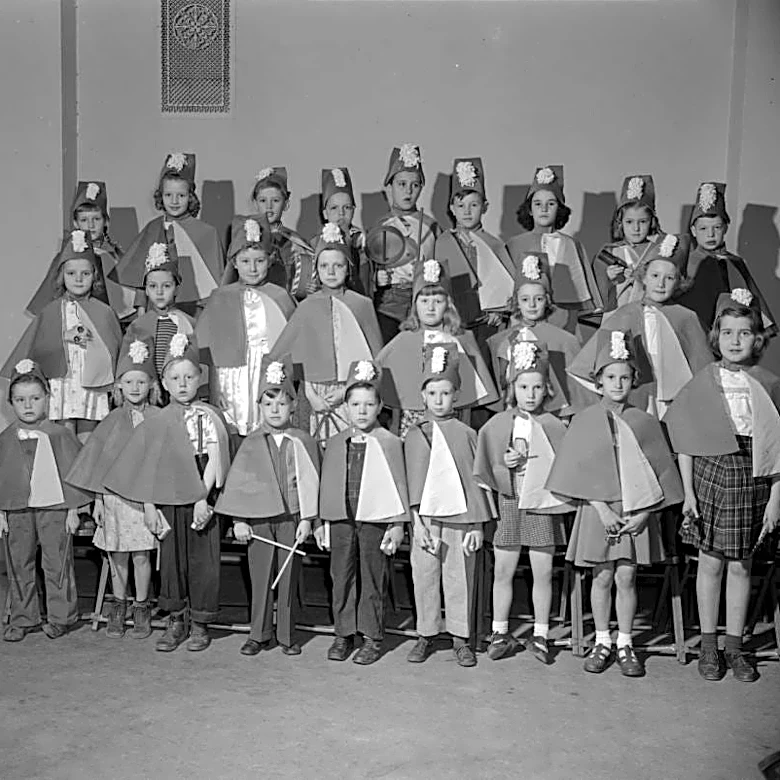
with recommendations for prominently displaying the word 'silence' within reading rooms. Historical accounts suggest that even whispering could lead to patrons being asked to leave. Beyond noise control, other rules included prohibitions on wearing hats indoors, a common courtesy expectation at the time. Children were often restricted from libraries, with some institutions barring those under 12 or 14 due to concerns about potential damage to books. Interestingly, while smoking was forbidden to protect materials, chewing tobacco was permitted, with spittoons provided for users. Conversely, chewing gum was strictly prohibited for children, often resulting in their removal from the premises if the rule was violated. These historical policies reflect both efforts to preserve library collections and the prevailing social norms of the late 19th and early 20th centuries.
Why It's Important?
These historical rules from the American Library Association offer significant insight into the evolving role and perception of libraries within American society. The strict enforcement of silence and restrictions on children underscore a past view of libraries as solemn, academic institutions primarily for adult study, rather than the community-focused, inclusive spaces many are today. The allowance of chewing tobacco while banning hats and gum illustrates a fascinating intersection of social etiquette, public health concerns, and practical considerations for book preservation. Understanding these past regulations helps contextualize the ongoing debates about library policies, intellectual freedom, and accessibility. It highlights how societal values, technological advancements, and educational philosophies have reshaped these institutions, moving from highly restrictive environments to more open and welcoming community hubs. This historical perspective is crucial for appreciating the progress made in fostering broader public access and engagement with library resources.
Beyond the Headlines
The historical rules enforced by American libraries, as revealed by the 1901 ALA document, point to deeper cultural and societal shifts. The emphasis on silence and the exclusion of children reflect a more rigid social order and a different understanding of public spaces and childhood. Libraries, in their early forms, often mirrored the class distinctions and behavioral expectations of the era, serving as bastions of quiet learning for a select demographic. The evolution from these strictures to today's more inclusive, dynamic library models signifies a broader democratization of knowledge and public resources. This transformation also highlights the ongoing tension between preserving intellectual sanctity and fostering community engagement. The past rules serve as a reminder that institutions are not static; they adapt to changing societal needs, technological advancements, and evolving philosophies on education and public service. This historical context enriches contemporary discussions about the purpose and future of libraries in a rapidly changing world.