




What's Happening?
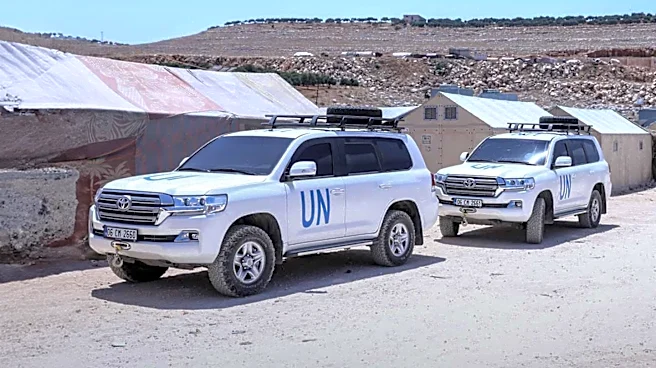
The United Nations Security Council has voted to extend the mandate of the United Nations Interim Security Force for Abyei (UNISFA) for an additional year, until November 15, 2027. The decision was formalized through the adoption of Resolution 2838 on Friday,
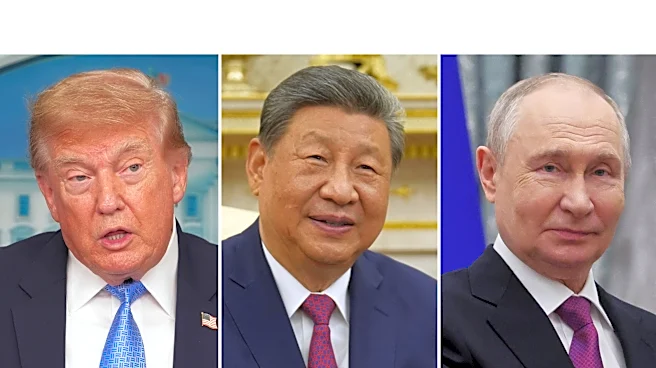
November 13, with 13 member states voting in favor, while China and Russia abstained. This resolution, enacted under Chapter Seven of the UN Charter, also prolongs UNISFA’s support for the Joint Border Verification and Monitoring Mechanism. The mission's authorized strength will remain at 3,250 troops and 640 police personnel. The Security Council also called for an immediate, impartial, and thorough investigation into a drone attack that targeted UNISFA personnel in Kadugli on December 13, 2025. Furthermore, the resolution urged all involved parties to cooperate with the findings and recommendations of the Abyei Area Joint Investigation and Inquiry Committee regarding the killing of a UNISFA peacekeeper and the Ngok Dinka Paramount Chief. Sudan and South Sudan have been called upon to maintain Abyei as a demilitarized zone and to withdraw any unauthorized forces. South Sudan has acknowledged the mandate renewal but expressed dissatisfaction over the perceived lack of formal consultation during the resolution's drafting process.
Why It's Important?
The extension of UNISFA's mandate is crucial for maintaining a semblance of stability in the Abyei region, which continues to grapple with significant security and humanitarian challenges exacerbated by the ongoing conflict in neighboring Sudan. The presence of UNISFA troops and police personnel is vital for preventing further escalation of tensions between Sudan and South Sudan over the disputed Abyei area. The call for investigations into attacks on UNISFA personnel and the killing of local leaders underscores the volatile environment in which the mission operates and the need for accountability to deter future violence. The Security Council's insistence on Abyei remaining a demilitarized zone is a key component of regional peace efforts, aiming to prevent military build-ups that could trigger renewed conflict. South Sudan's concerns about consultation highlight ongoing diplomatic complexities and the importance of inclusive processes in international peacekeeping efforts, as lack of buy-in from key regional actors can undermine the effectiveness of such mandates. The continued instability in Abyei has broader implications for regional security and humanitarian aid distribution, affecting thousands of displaced persons and vulnerable populations.
What's Next?
Following the mandate extension, UNISFA will continue its operations in Abyei until November 2027, focusing on maintaining peace and security, and supporting border verification efforts. The immediate next steps will involve the implementation of the resolution's directives, including the initiation of impartial investigations into the drone attack on UNISFA personnel and the killings of the peacekeeper and Paramount Chief. Cooperation from all parties, particularly Sudan and South Sudan, will be critical for these investigations to yield credible results and for accountability to be established. The Security Council will likely monitor the adherence of both nations to the call for Abyei to remain a demilitarized area and the withdrawal of unauthorized forces. Diplomatic efforts may intensify to address South Sudan's concerns regarding consultation during the resolution drafting, potentially leading to more inclusive dialogue in future mandate discussions. The ongoing conflict in Sudan will continue to be a significant factor influencing the security situation in Abyei, requiring UNISFA to remain vigilant and adaptable to evolving regional dynamics. The humanitarian situation in Abyei will also require sustained attention, with UNISFA playing a role in facilitating aid delivery and protecting civilians.
Beyond the Headlines
The recurring need for UNISFA's mandate extension in Abyei highlights the persistent challenges in resolving long-standing territorial disputes and achieving lasting peace in post-conflict regions. The abstentions from China and Russia, while not blocking the resolution, could signal underlying geopolitical complexities or differing views on the mission's strategic direction or operational scope. This situation underscores the broader issue of how international bodies navigate sovereignty concerns versus humanitarian imperatives in volatile areas. The call for investigations into attacks on peacekeepers and local leaders also touches upon the critical issue of impunity, where lack of accountability can perpetuate cycles of violence and undermine trust in international interventions. The ongoing humanitarian crisis, exacerbated by regional conflicts, points to the interconnectedness of security, governance, and human well-being. The UN's continued presence, despite challenges, reflects a commitment to preventing wider regional destabilization, but also raises questions about the long-term sustainability and effectiveness of such missions without fundamental political resolutions between the disputing parties. The situation in Abyei serves as a microcosm of broader global challenges in peacekeeping, where mandates often extend due to unresolved political issues rather than a definitive end to conflict.