
What's Happening?
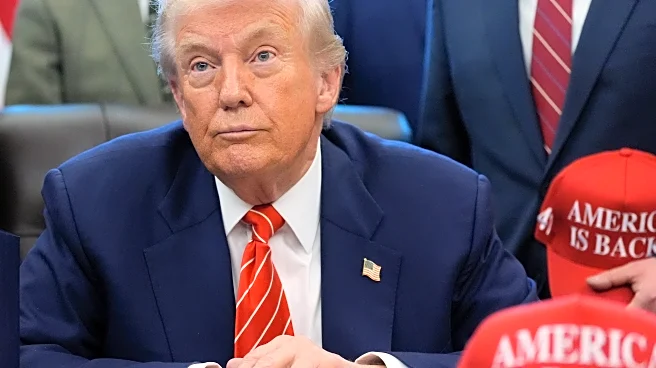
European leaders have expressed their support for Denmark following comments made by President Trump regarding the annexation of Greenland. Danish Prime Minister Mette Frederiksen has urged President Trump to
cease threats of annexing Greenland, a territory of Denmark. The comments have sparked reactions across Europe, with leaders rallying behind Denmark's stance. The issue arose after President Trump suggested the possibility of purchasing Greenland, which was met with firm opposition from Denmark. The situation has led to diplomatic tensions, as Greenland is strategically important due to its location and resources.
Why It's Important?
The comments by President Trump regarding Greenland have significant implications for international relations and U.S. foreign policy. Greenland's strategic location and resources make it a point of interest for global powers, and any move to annex or purchase the territory could alter geopolitical dynamics. European leaders' support for Denmark underscores the importance of maintaining territorial integrity and respecting international agreements. The situation highlights the potential for diplomatic conflicts and the need for careful negotiation in international affairs. It also reflects broader concerns about U.S. foreign policy approaches under President Trump.
What's Next?
The diplomatic tensions surrounding Greenland may lead to further discussions between the U.S. and European nations. Denmark is likely to continue advocating for its territorial rights, while European leaders may seek to strengthen alliances to counter any perceived threats. The situation could prompt discussions on international law and territorial sovereignty, potentially involving international organizations. The U.S. may need to engage in diplomatic efforts to address concerns and prevent escalation. Future negotiations could focus on economic and strategic interests in the Arctic region.
Beyond the Headlines
The Greenland issue raises questions about the ethical and legal aspects of territorial acquisition. It highlights the complexities of international diplomacy and the balance between national interests and global cooperation. The situation may influence future policies on territorial claims and resource management in the Arctic. It also reflects broader themes of nationalism and globalism, as countries navigate the challenges of maintaining sovereignty while engaging in international partnerships.