






What's Happening?
The World Bank has released its annual income classifications, categorizing 218 economies into four income groups based on gross national income per capita. The latest update shows that nearly 40% of the world's economies are now classified as high income.
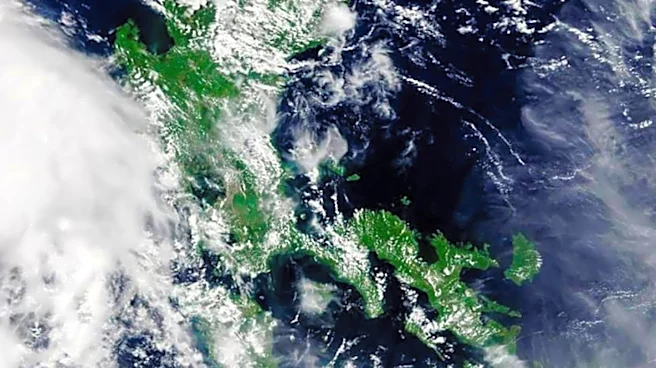
Six economies, including Vietnam and the Philippines, have moved to a higher income group, reflecting economic growth and recovery from the pandemic. The classifications are used by governments and organizations to inform policy and development strategies.
Why It's Important?
These classifications provide a standardized framework for comparing economic performance globally, influencing international aid, investment, and policy decisions. The movement of economies into higher income brackets indicates positive economic trends and recovery efforts post-pandemic. However, the persistence of low-income economies, particularly in Africa, highlights ongoing challenges such as conflict and infrastructure deficits. Understanding these classifications helps stakeholders address economic disparities and target development efforts effectively.
Beyond the Headlines
While income classifications offer a broad economic overview, they do not account for income inequality or living standards within countries. Two economies in the same group can have vastly different social and economic conditions. This underscores the importance of considering additional metrics when assessing economic health and development needs. The classifications also prompt discussions on sustainable growth and equitable distribution of wealth.