




What's Happening?
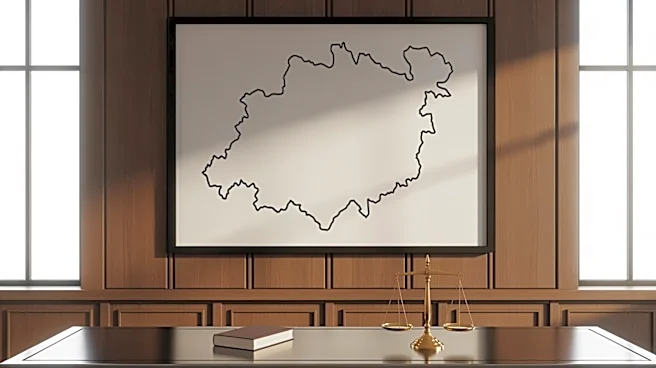
A conservative legal organization, the Public Interest Legal Foundation (PILF), has filed a federal lawsuit aiming to invalidate the Illinois Voting Rights Act. This legal action marks the first significant challenge to state-level voting protections
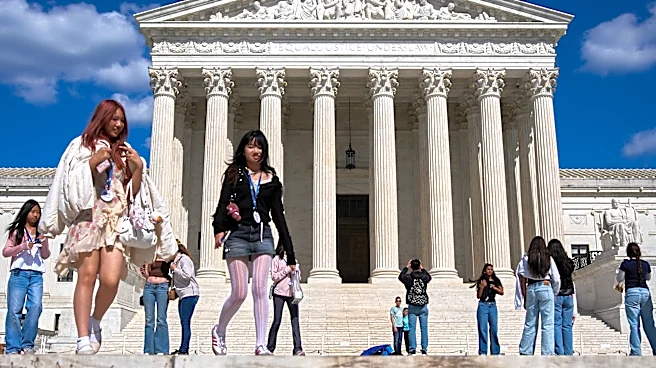
after the U.S. Supreme Court's decision in Louisiana v. Callais. The lawsuit, filed on behalf of former Illinois state Rep. Jeanne Ives, argues that the Illinois law violates both the federal Voting Rights Act and the 15th Amendment by mandating the creation of racial districts. The Supreme Court's recent ruling in the Callais case struck down Louisiana's congressional map for relying too heavily on race, which PILF is now using as a basis to challenge Illinois' state law.
Why It's Important?
This lawsuit could have significant implications for voting rights protections across the United States. The Illinois Voting Rights Act is designed to ensure minority voters can elect candidates of their choice, a safeguard that voting rights advocates argue is crucial for preventing racial vote dilution. If the court sides with PILF, it could set a precedent that undermines similar state-level protections nationwide. This case highlights the ongoing legal battles over voting rights and the potential for the Supreme Court's decisions to influence state laws, potentially affecting the political power of minority communities.
What's Next?
The outcome of this lawsuit could have far-reaching consequences beyond Illinois. If the court rules in favor of PILF, it may embolden similar challenges to state voting rights laws across the country. This could lead to a reevaluation of how legislative districts are drawn, potentially impacting the political landscape by altering the balance of power in state legislatures. Voting rights advocates are likely to closely monitor this case, as it could signal a shift in how courts interpret the constitutionality of race-conscious redistricting measures.