



What's Happening?
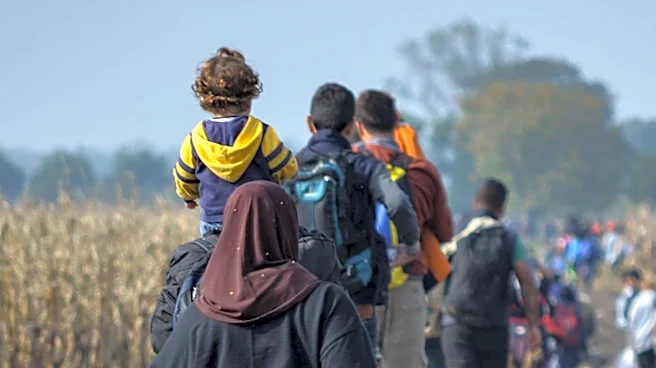
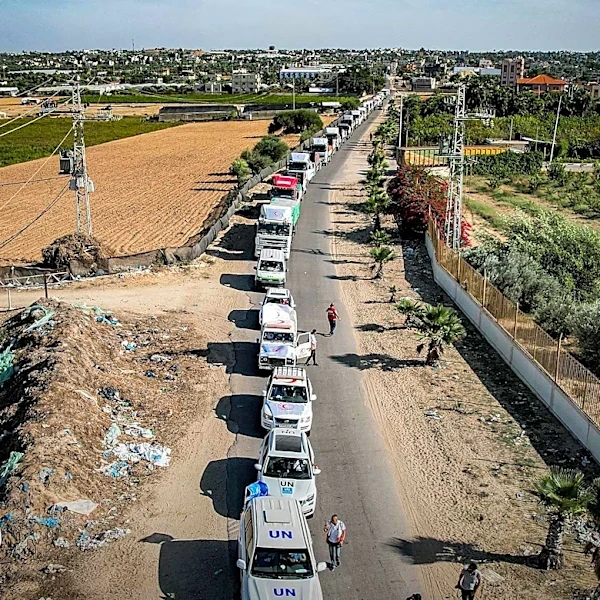
The UNHCR, in collaboration with the Kenyan government and other humanitarian partners, is responding to a dire situation faced by Ethiopian refugees in Kenya. Many individuals, including women and children, have fled conflict and are seeking shelter
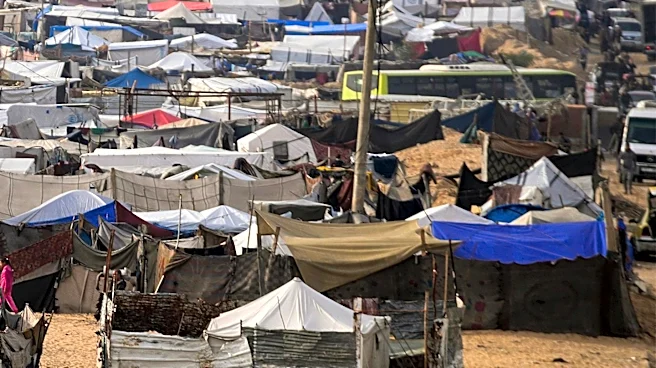
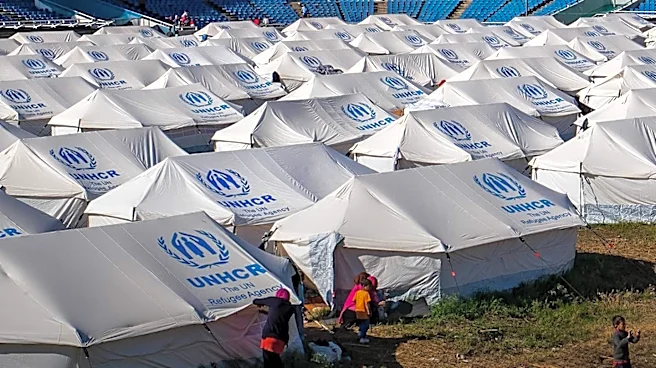
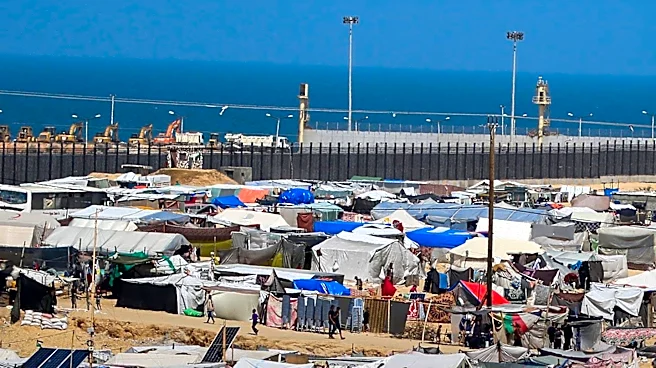
in temporary locations such as schools and churches. The most urgent needs identified are food, safe drinking water, emergency shelter, sanitation, and healthcare. Fatima Mohammed-Cole, UNHCR Kenya Representative, highlighted the severity of the situation, noting the large number of displaced people across seven sites hosting Ethiopians. The UNHCR has deployed an emergency team to Moyale and is working closely with Kenya's Department of Refugee Services (DRS) and county authorities, along with organizations like IOM, UNICEF, WFP, and the Kenya Red Cross Society, to support the national and local response efforts. A key immediate step is to profile the displaced groups to understand family dynamics and enable targeted assistance.
Why It's Important?
This situation underscores a significant humanitarian crisis, with thousands of individuals displaced and in urgent need of basic necessities. The collaborative effort between the UNHCR and the Kenyan government is critical for providing immediate relief and ensuring the safety and security of both the refugees and humanitarian workers. The risk of communicable disease outbreaks in crowded, temporary shelters is a major concern, making the provision of sanitation and healthcare paramount. The influx of refugees also places a strain on local resources and infrastructure, highlighting the broader challenges of managing large-scale displacement. The profiling of displaced groups is essential for delivering effective and tailored aid, ensuring that vulnerable populations, such as separated families and unaccompanied minors, receive appropriate support. This response is vital not only for the well-being of the refugees but also for regional stability, as unchecked humanitarian crises can exacerbate existing tensions.
What's Next?
The immediate next steps involve continuing to provide essential aid, including food, water, shelter, and medical services, to the displaced Ethiopian refugees. The UNHCR and its partners will focus on profiling the groups to understand their specific needs and family structures, which will inform more targeted response strategies. Efforts will also be directed towards preventing outbreaks of communicable diseases in the temporary settlements. The Kenyan government, through the Department of Refugee Services and county authorities, will continue to play a crucial role in facilitating the humanitarian response and ensuring the safety of the displaced populations. Long-term planning will likely involve exploring more sustainable solutions for the refugees, potentially including integration into host communities or voluntary repatriation when conditions in Ethiopia allow. Continued resource mobilization and international support will be essential to sustain these efforts.
Beyond the Headlines
The ongoing displacement of Ethiopians into Kenya highlights the complex interplay of conflict, humanitarian crises, and regional stability. Beyond the immediate provision of aid, this situation raises deeper questions about the root causes of displacement, the effectiveness of conflict resolution efforts, and the long-term responsibilities of host nations and the international community. The strain on resources in host communities can lead to social and economic challenges, potentially fostering resentment if not managed carefully. The need for profiling refugees also touches upon issues of identity, documentation, and the protection of vulnerable individuals, particularly women and children, who are often disproportionately affected by displacement. This crisis serves as a stark reminder of the interconnectedness of security, human rights, and humanitarian action in the East African region.