




What's Happening?
Central Florida is bracing for a potentially severe winter season due to a strengthening El Nino phenomenon. This weather pattern, characterized by unusually warm ocean temperatures in the central and eastern tropical Pacific, can significantly influence
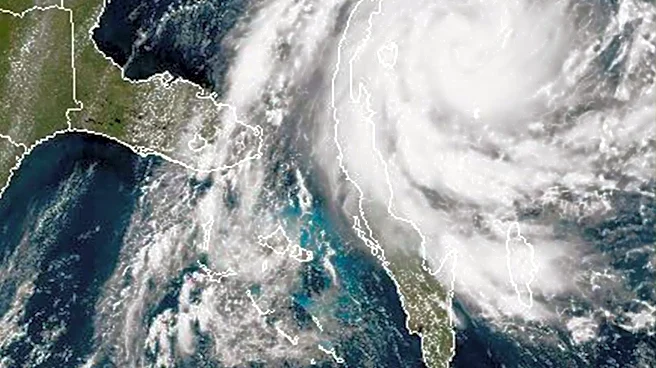
atmospheric wind patterns across the United States. Historically, strong El Nino winters have coincided with devastating tornado outbreaks in Florida, notably in 1998 and 2007, which resulted in numerous fatalities. While forecasters cannot predict specific severe weather events months in advance, the current El Nino is expected to strengthen the subtropical jet stream, directing more storm systems towards Florida during its typically dry winter months. This could lead to increased opportunities for heavy rainfall, severe thunderstorms, and tornadoes, raising concerns for residents and emergency services.
Why It's Important?
The potential for increased severe weather in Central Florida carries significant implications for public safety, infrastructure, and the local economy. The historical context of deadly tornado outbreaks during past strong El Nino events underscores the heightened risk to human life and property. Residents face the threat of damaging winds, hail, and localized flooding, which can disrupt daily life, cause power outages, and lead to substantial property damage. For the insurance industry, a more active severe weather season could result in a surge of claims, impacting premiums and financial stability. Local businesses, particularly those reliant on tourism and outdoor activities, may experience disruptions and economic losses due to adverse weather conditions. Furthermore, emergency management agencies will need to allocate additional resources for preparedness and response, potentially straining local budgets.
What's Next?
Residents in Central Florida are advised to take proactive steps to prepare for potential severe weather. Meteorologists recommend having multiple ways to receive alerts, including enabling emergency alerts on cellphones and utilizing NOAA Weather Radios. Identifying safe shelter locations, such as small, interior rooms on the lowest floor of sturdy buildings, is crucial. While a strong El Nino does not guarantee a dangerous winter, the increased potential for a wetter storm pattern and the state's history of deadly winter tornado outbreaks emphasize the importance of preparedness. Local authorities and weather services will continue to monitor the situation closely, providing updated forecasts and warnings as the season progresses. Public awareness campaigns will likely be intensified to ensure residents are informed and ready to act when severe weather threatens.
Beyond the Headlines
The recurring pattern of severe weather linked to El Nino highlights broader challenges in climate adaptation and disaster resilience. While technological advancements in weather forecasting and warning systems have improved since past devastating events, the human element of preparedness remains critical. The memory of the 1998 and 2007 tornado outbreaks serves as a stark reminder of the vulnerability of communities to natural disasters, even with advanced warnings. This situation also underscores the ongoing debate about the long-term impacts of climate variability on regional weather patterns and the need for robust infrastructure and community planning to mitigate risks. The psychological impact of living in an area prone to severe weather, especially with historical precedents, can also be significant, influencing community cohesion and individual well-being.