





What's Happening?
The Tennessee Department of Agriculture Division of Forestry (TDF) is urging residents to follow fire prevention best practices as the state's wildfire season commences, typically running from mid-October to mid-May. State Forester Heather Slayton emphasized
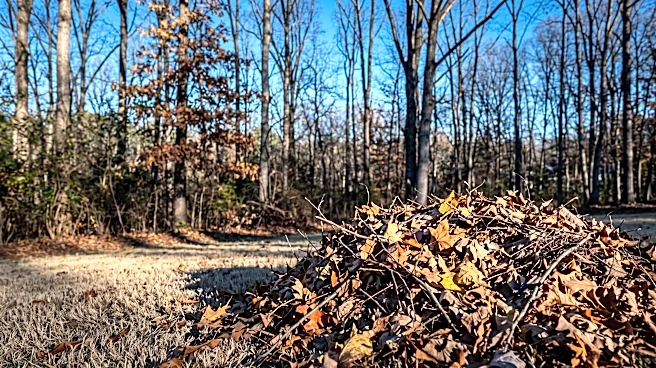
that over 90% of wildfires in Tennessee are caused by human activities, primarily escaped debris burns. To mitigate this risk, residents must obtain a free burn permit before burning leaves or natural debris, or conducting prescribed burns, starting October 15. Permits are issued online or via phone when fire danger is at an acceptable level, and temporarily paused during hazardous conditions like high winds or extremely dry vegetation. The TDF encourages safe burning practices, including staying with fires until completely extinguished, and offers tips through its 'Safe Debris Burning in Tennessee' initiative.
Why It's Important?
The emphasis on fire prevention in Tennessee is crucial for protecting lives, property, and natural resources. With human activities being the primary cause of wildfires, individual actions directly impact the severity and frequency of these events. Uncontrolled wildfires can lead to significant property damage, pose threats to public safety, and degrade air quality. The state averages about 1,000 wildfires annually, burning approximately 18,000 acres, highlighting the consistent threat. By promoting safe burning practices and requiring permits, the TDF aims to reduce the number of preventable fires, thereby conserving state resources, protecting ecosystems, and ensuring the safety of communities. This proactive approach is vital for managing the risks associated with the dry conditions prevalent during fall and spring wildfire peaks.
What's Next?
As of October 15, residents in Tennessee will be required to obtain a burn permit for any outdoor burning activities. The TDF will continue to monitor weather conditions and fire danger levels, adjusting permit issuance accordingly. Public awareness campaigns, such as those on social media via @TNWildlandFire, will likely continue to educate residents on safe burning practices and provide updates on fire risk. Individuals within city limits are also advised to check with their local municipalities for additional burning restrictions. The TDF will also be prepared to respond to wildfires, with its wildland fire program providing suppression efforts. The success of these measures will depend on public cooperation and adherence to the guidelines, aiming to minimize the impact of the upcoming wildfire season.
Beyond the Headlines
The focus on human-caused wildfires in Tennessee highlights a broader issue of human responsibility in environmental management. While natural factors like drought contribute to fire risk, the overwhelming majority of ignitions are preventable. This underscores the importance of public education and enforcement of regulations to foster a culture of environmental stewardship. The economic implications extend beyond direct firefighting costs to include potential losses in timber, agricultural products, and tourism, as well as long-term ecological damage. Furthermore, the health impacts of smoke exposure, particularly for vulnerable populations, are a significant public health concern. The state's approach to fire prevention serves as a model for other regions facing similar challenges, emphasizing that community engagement and individual accountability are key components of effective wildfire mitigation strategies.