





What's Happening?
UNICEF, the Food and Agricultural Organization (FAO), and the World Food Programme have issued warnings about the fragile state of humanitarian gains in Gaza. Despite some improvements in food security and nutrition levels following the October 2025 ceasefire,
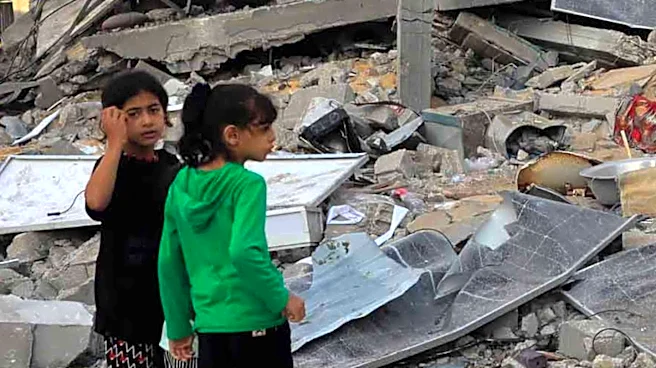
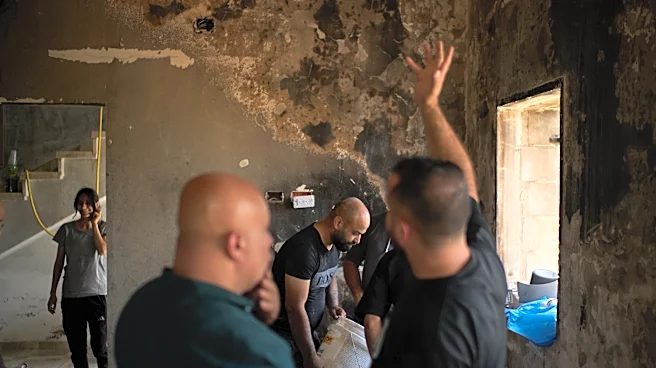
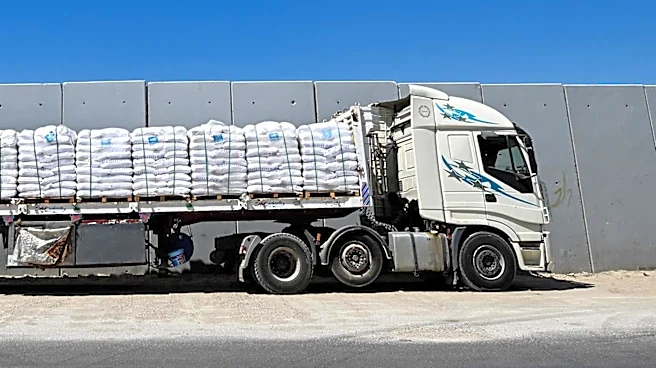
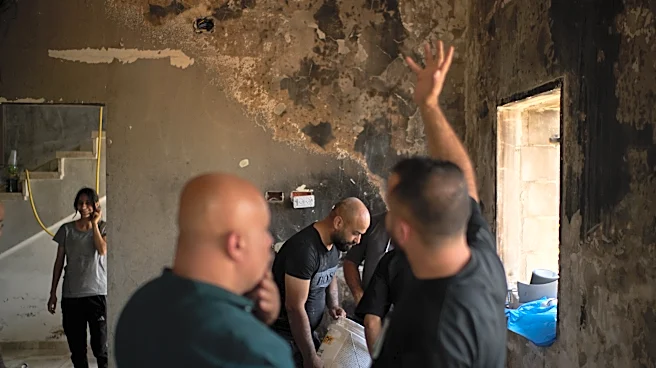
these gains are at risk without continuous aid and investment. The Kerem Shalom/Abu Salem crossing remains the only open route for humanitarian assistance, limiting the flow of essential supplies. The UN reports that 67% of Gaza's population is experiencing crisis-level food insecurity. Additionally, access to cooking fuel is severely restricted, leading to domestic fires as families resort to burning waste for cooking. The humanitarian situation is compounded by violence, funding gaps, and access restrictions, which have created unprecedented needs in water, healthcare, education, and shelter.
Why It's Important?
The ongoing humanitarian crisis in Gaza highlights the critical need for sustained international support and intervention. The fragile gains in food security and nutrition are at risk of being reversed, which could lead to further instability and suffering for the population. The limited access to essential supplies and services underscores the challenges faced by humanitarian organizations in delivering aid. The situation also reflects broader geopolitical tensions and the impact of prolonged conflict on civilian populations. Addressing these challenges requires coordinated efforts from the international community to ensure the delivery of aid and support for long-term recovery and development.
What's Next?
The international community may need to increase diplomatic efforts to address the underlying political issues contributing to the crisis in Gaza. Humanitarian organizations will likely continue to seek additional funding and negotiate access to ensure the delivery of essential supplies. The situation in Gaza serves as a reminder of the complex interplay between politics and humanitarian aid, and the need for comprehensive solutions that address both immediate needs and long-term stability. Continued monitoring and reporting by UN agencies will be crucial in highlighting the ongoing needs and challenges faced by the population.