








What's Happening?
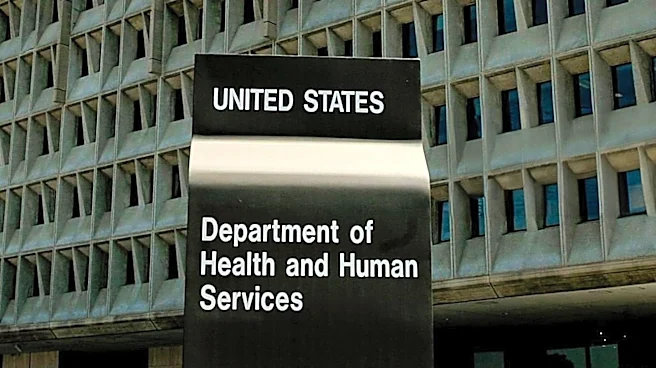
The Department of Homeland Security (DHS) has added a planned rule to its regulatory agenda that aims to eliminate employment authorization for certain H-4 spouses of H-1B workers. This proposed rule, identified as RIN 1615-AD14, would reverse the 2015
H-4 EAD (Employment Authorization Document) rule. Currently classified as a 'Long-Term Action,' the date for a proposed rule publication is 'To Be Determined.' This is not the first attempt to rescind H-4 EAD eligibility; the first Trump administration announced similar plans in 2017 but never published a proposed rule, and that effort was eventually withdrawn. DHS has not yet published the proposed rule, and any changes to H-4 EAD eligibility would not be immediate. The rulemaking process typically involves several months before a new rule takes effect, including a 30-60 day notice and comment period after the proposal is published in the Federal Register. DHS must then review these comments before issuing a final rule with an effective date.
Why It's Important?
The potential elimination of H-4 EAD eligibility carries significant implications for U.S. industries and the economy, particularly for the technology sector which heavily relies on H-1B visa holders. The H-4 EAD program, established in 2015, has allowed spouses of H-1B visa holders, primarily women, to work in the U.S., contributing to household incomes and the broader economy. Rescinding this authorization could lead to a loss of skilled labor, as many H-1B workers might reconsider their employment in the U.S. if their spouses are unable to work. This could exacerbate existing talent shortages in critical sectors and potentially drive highly skilled professionals to other countries with more favorable immigration policies. For employers, the stability and retention of their H-1B workforce could be jeopardized, impacting project timelines and overall productivity. The economic case for ending H-4 EAD eligibility would need to be thoroughly supported by facts, especially given over a decade of reliance on this work authorization.
What's Next?
For now, H-4 EAD eligibility remains in place, and nothing changes immediately for employers or H-4 visa holders. The next critical step will be the publication of the proposed rule by DHS in the Federal Register. Once published, there will be a 30-60 day public comment period, during which employers and the broader business community are encouraged to submit comments with concrete data on the workforce and business impact of eliminating H-4 work authorization. Following this, DHS will review all submitted comments before publishing a final rule. Any final rule could also face legal challenges, with key questions likely revolving around whether DHS adequately considered the long-term reliance on H-4 work authorization and the economic justification for its termination. Stakeholders will be closely monitoring these developments and preparing to engage in the public comment process and potential legal actions.
Beyond the Headlines
The debate surrounding H-4 EAD eligibility extends beyond economic and workforce considerations, touching upon broader ethical and social dimensions. The ability for H-4 spouses to work has been a crucial factor in promoting gender equality and financial independence for many highly educated individuals, often preventing them from being solely dependent on their H-1B partners. Eliminating this authorization could disproportionately affect women, forcing many to put their careers on hold and potentially leading to significant personal and professional setbacks. This policy change could also impact the U.S.'s image as a welcoming destination for global talent, potentially deterring skilled immigrants who seek opportunities for both themselves and their families. The long-term shifts triggered by such a policy could include a brain drain, as talented individuals opt for countries that offer more comprehensive support for immigrant families, thereby diminishing the U.S.'s competitive edge in innovation and specialized industries.