







What's Happening?
The Board of Trustees at George Washington University (GW) has formed a new Committee on Advancement, effective June 1, to enhance fundraising and alumni engagement. This initiative aims to support the university's strategic framework, which includes
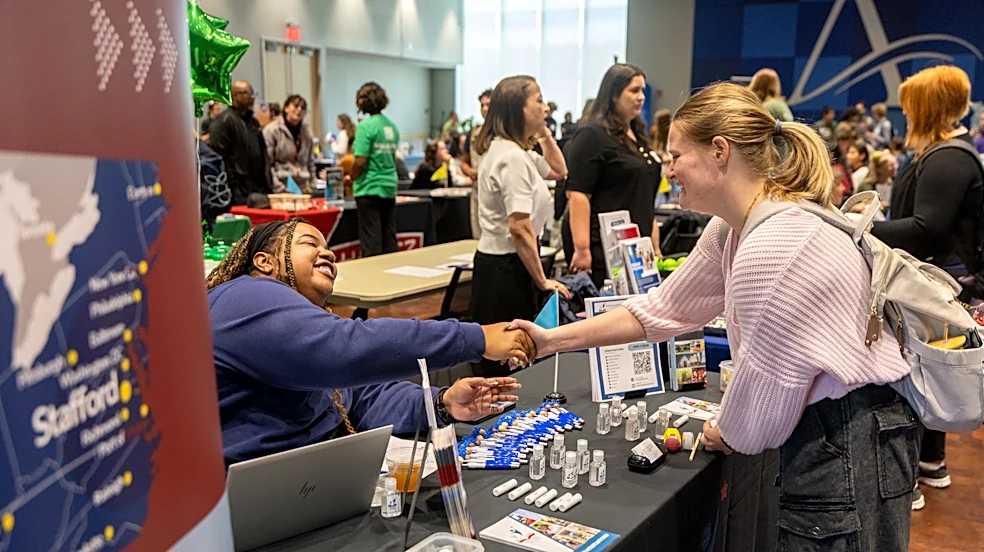
strengthening relationships between alumni and the broader GW community. University spokesperson Shannon McClendon stated that the committee will collaborate closely with the Division of University Advancement, which is responsible for GW's fundraising and alumni networking. The committee's primary goal is to foster philanthropy among alumni and donors to achieve the university's strategic objectives. Trustee Aaron Bates chairs the new committee, with Stacie Lissette serving as vice chair, alongside other trustees Luisa Borges, Ali Kolaghassi, Judy Rogers, and Camila Tapias. The committee presented its initial report to the Board, outlining preliminary plans for a fundraising campaign to aid the strategic framework's implementation. This development follows months of planning and is designed to cultivate a 'lifelong community' for alumni through professional development, engagement, and volunteer opportunities.
Why It's Important?
This new committee is crucial for GW as it seeks to bolster its financial sustainability and achieve its strategic goals. Philanthropy and strong alumni engagement are vital for universities to secure resources for various initiatives, including academic programs, research, and student support. By actively involving trustees in advancement efforts, GW aims to leverage their networks and expertise to attract significant donations. The focus on creating a 'lifelong community' for alumni can lead to sustained financial contributions and mentorship opportunities for current students, enhancing the university's overall reputation and impact. This move also reflects a broader trend in higher education where institutions are increasingly relying on private funding to supplement traditional revenue streams, especially in a competitive landscape. The success of this committee could serve as a model for other universities looking to strengthen their financial foundations and alumni ties.
What's Next?
The Committee on Advancement will proceed with developing and implementing a comprehensive fundraising campaign to support GW's strategic framework. This will likely involve targeted outreach to alumni and donors, as well as organizing events and initiatives to foster greater engagement. The committee is also tasked with monitoring overall fundraising and engagement performance, reporting progress to the Board, and promoting trustee involvement in philanthropic leadership. Given that community members recently donated over $2 million during GW's annual Giving Day, with a significant portion from alumni, the committee will likely build on this momentum. Future steps will include refining strategies to identify new revenue sources and ensuring that the budget model supports the university's long-term financial health. The committee's ongoing reports to the Board will provide updates on its progress and any adjustments to its plans.
Beyond the Headlines
The formation of this committee highlights the evolving financial models of higher education institutions, where philanthropy is becoming an increasingly critical component. Beyond immediate fundraising, the emphasis on a 'lifelong community' suggests a strategic shift towards building enduring relationships with alumni that extend beyond monetary contributions. This approach can cultivate a strong sense of loyalty and belonging, leading to a more engaged and supportive alumni network. Such a network can provide invaluable resources, including career opportunities for graduates, guest lecturing, and advocacy for the university. The committee's success could also influence the university's culture, fostering a greater sense of shared purpose among all stakeholders—alumni, donors, students, faculty, and staff. This initiative underscores the importance of a holistic approach to institutional advancement, recognizing that financial health is intertwined with community building and sustained engagement.