


What's Happening?
Australian retailers are experiencing significant financial strain due to rising fuel and supply chain costs, leading to job cuts and potential business closures. The Australian Retail Council (ARC) has highlighted the severity of the situation, noting
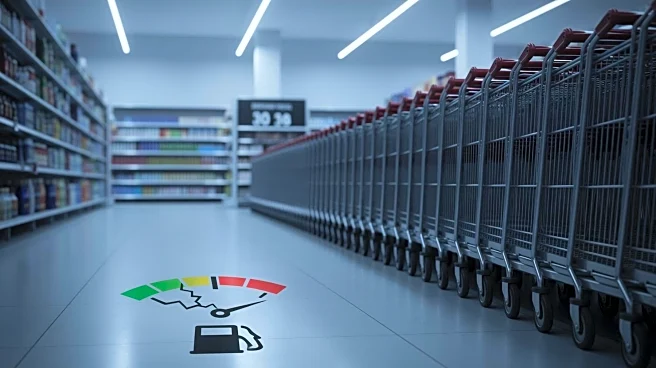
that 58% of businesses have already reduced staff, with 11.1% making significant workforce cuts. The sector, which contributes nearly one-fifth to the economy, is under pressure as consumer spending remains low and business confidence dwindles. Rising freight and fuel costs are major contributors to the financial burden, with 90.6% of businesses reporting increased freight expenses and 67.2% citing significant impacts from higher fuel costs. Despite these challenges, over half of the retailers are absorbing some cost increases, though 24.8% anticipate passing these costs onto consumers. The ARC is calling for government intervention, including a temporary reduction in diesel fuel excise and increased investment in supply chain resilience.
Why It's Important?
The challenges faced by Australian retailers have broader implications for the economy, potentially affecting employment rates and consumer prices. As retailers struggle to manage increased operational costs, job security for many employees is at risk, which could lead to higher unemployment rates. Additionally, if businesses pass on cost increases to consumers, it could lead to higher retail prices, affecting consumer purchasing power and overall economic activity. The situation underscores the need for government action to stabilize the sector and prevent further economic fallout. The potential for business closures also threatens the diversity and competitiveness of the retail market, which could have long-term impacts on consumer choice and market dynamics.
What's Next?
Retailers are urging the government to implement measures to alleviate the financial burden, such as reducing diesel fuel excise and enhancing supply chain resilience. These actions could provide immediate relief to businesses and help stabilize the sector. The government’s response will be crucial in determining the future landscape of the retail industry. If effective measures are not taken, the sector may face prolonged challenges, leading to more job losses and business closures. Stakeholders, including policymakers and industry leaders, will need to collaborate to develop sustainable solutions that address both short-term and long-term challenges.