



What's Happening?
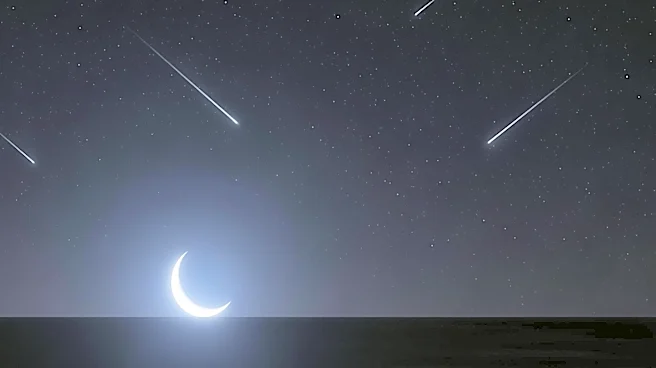
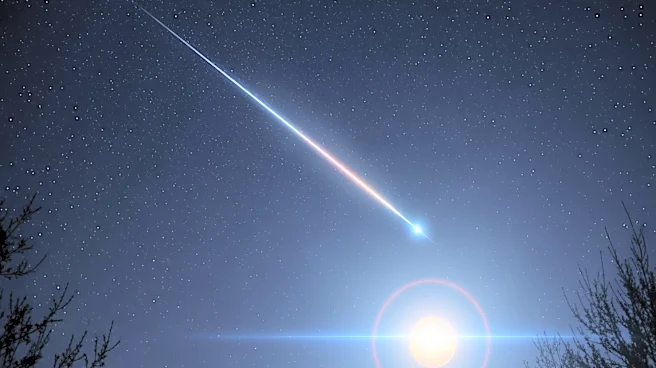
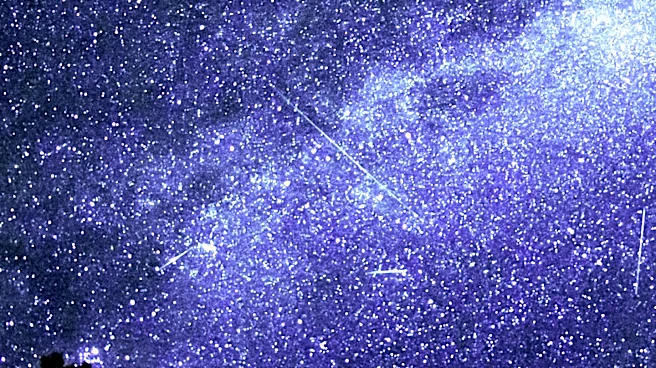
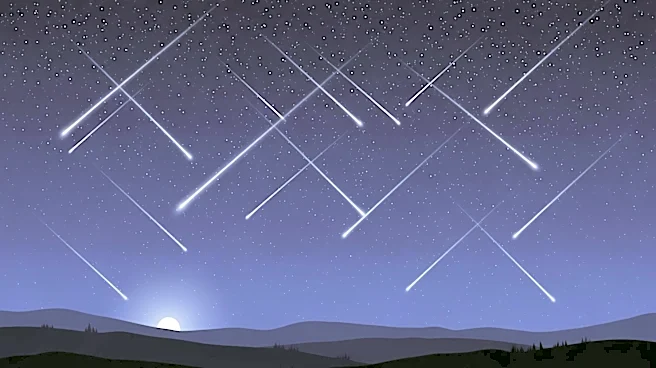
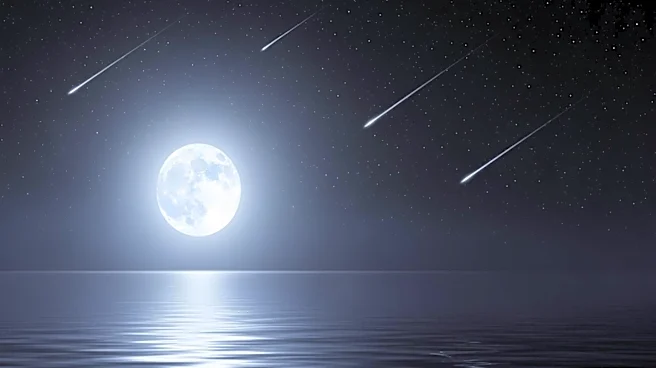
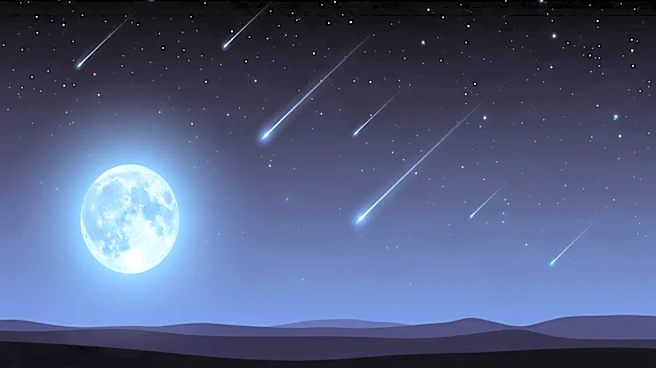
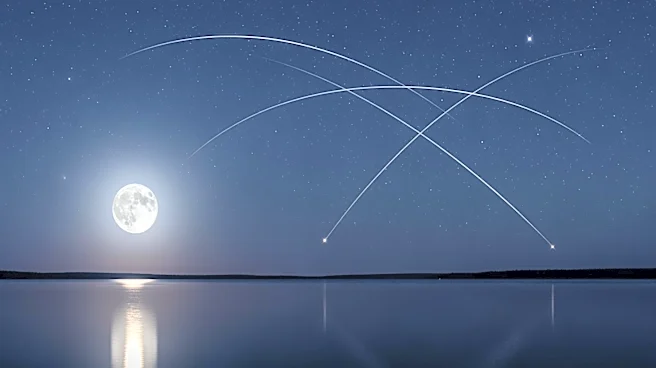
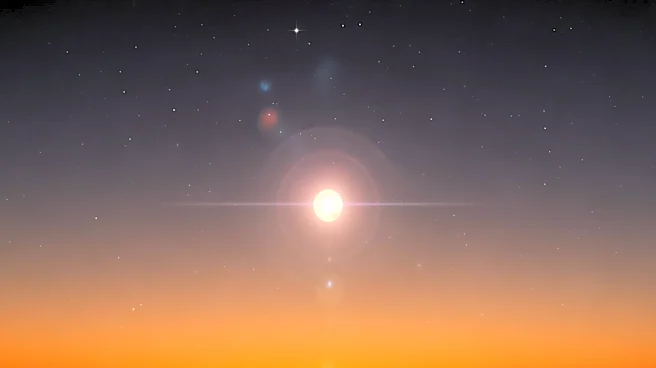
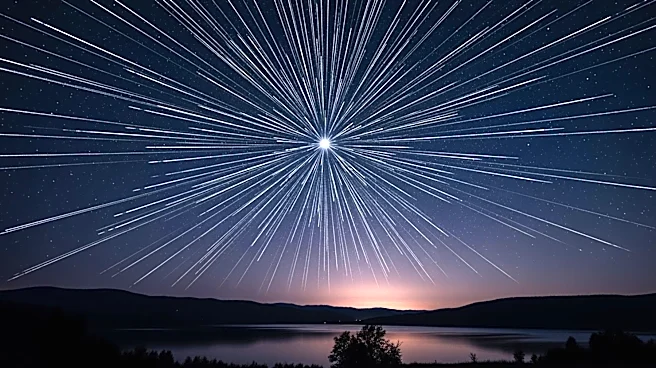
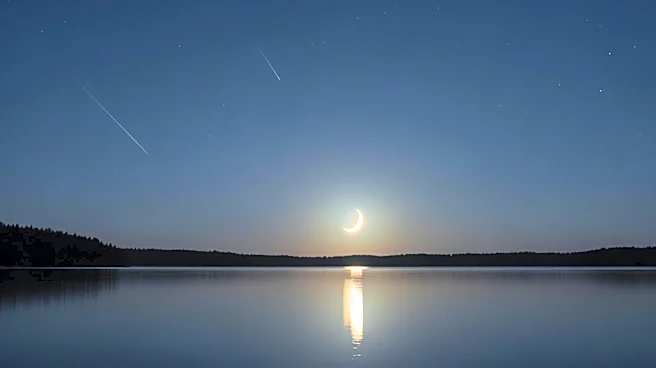
The Eta Aquariid meteor shower, generated by debris from Halley's Comet, is peaking today. Despite the interference from a bright gibbous Moon, early risers can still catch glimpses of fast-moving meteors. The best viewing time is in the hour before dawn,
when the shower's radiant in northern Aquarius is over 20° high in the east. Under ideal conditions, up to 50 meteors per hour can be seen, but the Moon's brightness will reduce visibility. The Eta Aquariids are known for their speed, with some particles traveling at 40 miles per second.
Why It's Important?
Meteor showers like the Eta Aquariids offer a unique opportunity for both amateur and professional astronomers to observe celestial events and study the remnants of comets. This particular shower, linked to Halley's Comet, provides insights into the comet's composition and the dynamics of its debris. For the general public, such events foster interest in astronomy and science, encouraging educational activities and community gatherings. Despite the Moon's interference, the brightest meteors can still be a spectacular sight, promoting outdoor activities and appreciation for the night sky.
What's Next?
The next significant meteor shower, the Orionids, also linked to Halley's Comet, will occur in October. However, similar lunar conditions are expected to affect its visibility. Astronomers and enthusiasts will continue to monitor these events, using them as opportunities to engage the public in astronomical observations and discussions. Future meteor showers will be anticipated with interest, as they provide ongoing opportunities for scientific study and public engagement.