




What's Happening?
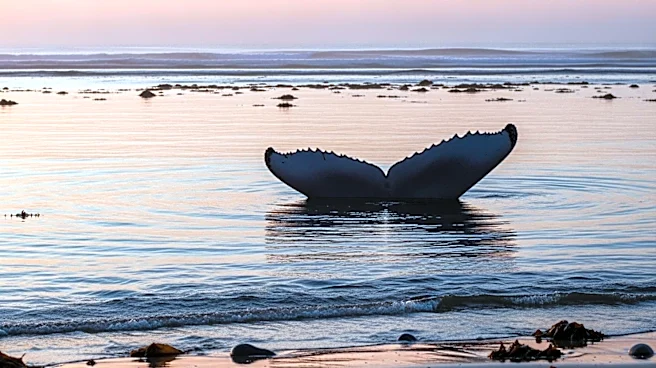
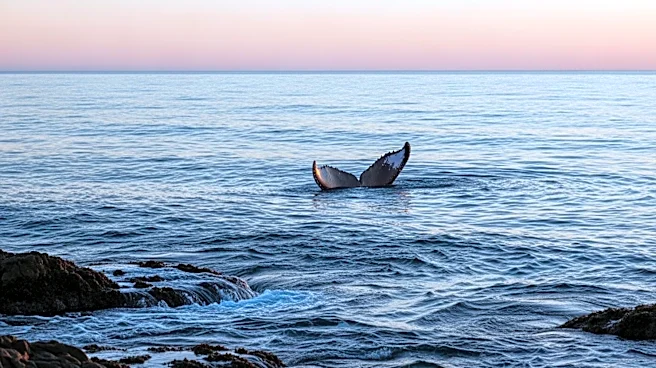
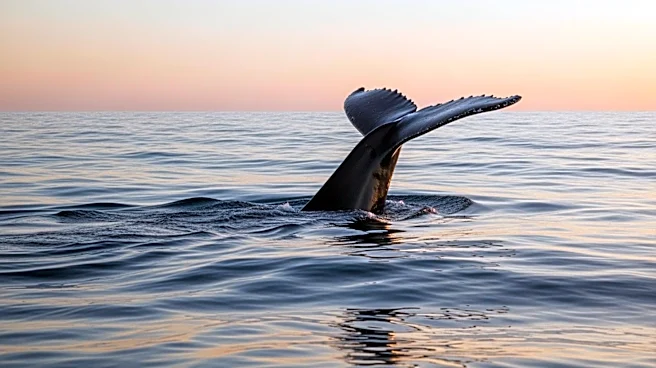
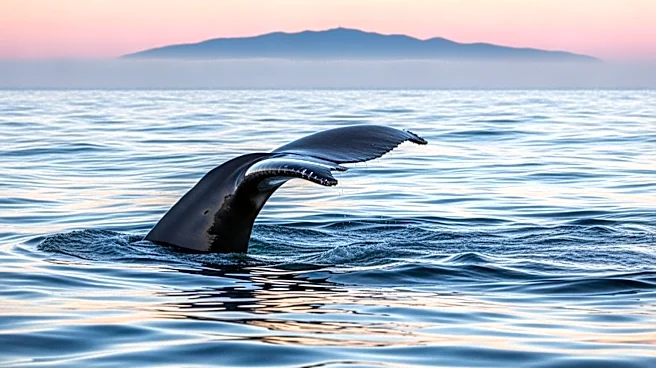
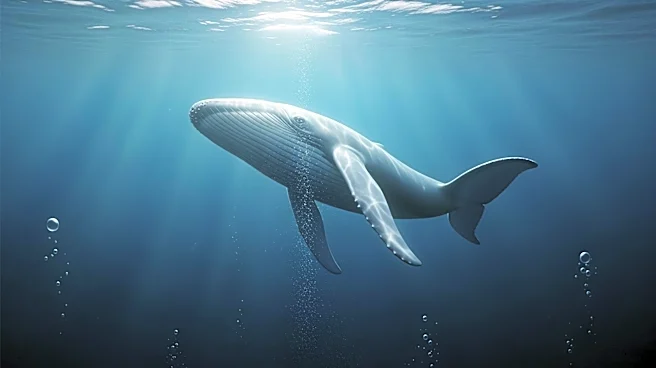
The Danish Environmental Protection Agency has confirmed the death of a humpback whale known as 'Timmy', which was previously stranded on Germany's Baltic Sea coast. The whale, identified through a tracking device and distinctive dorsal fin pattern, was found
off the Danish coast. Despite efforts to rescue Timmy, including a private operation funded by entrepreneurs, the whale's condition was too severe, leading to its demise. The agency has advised the public to maintain a safe distance from the carcass due to potential health risks and the possibility of explosion from decomposing gases. German authorities have expressed gratitude to Denmark for their assistance in confirming the whale's identity.
Why It's Important?
The death of Timmy highlights the challenges and complexities involved in marine wildlife rescue operations. It underscores the need for coordinated international efforts in wildlife conservation and the importance of adhering to expert advice in rescue attempts. The incident also raises awareness about the potential health hazards associated with decomposing marine animals, emphasizing the need for public safety measures. Furthermore, it reflects on the emotional and ethical considerations in wildlife rescue, as authorities balance the slim chances of survival against the stress of intervention.
What's Next?
Currently, there are no plans to remove the whale's carcass, but authorities will likely monitor the situation to ensure public safety. The incident may prompt discussions among environmental and wildlife agencies about improving rescue strategies and protocols. It could also lead to increased public awareness and education on the risks associated with approaching stranded marine animals. Additionally, the event may influence future policy decisions regarding private rescue operations and the role of government agencies in such efforts.