





What's Happening?
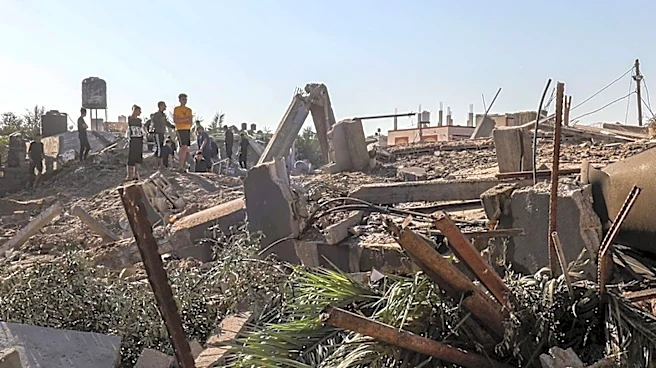
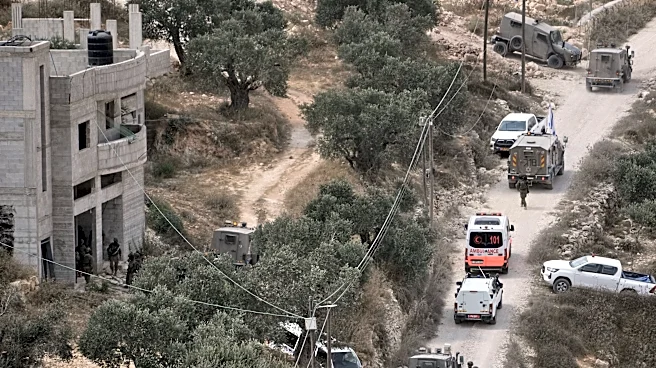
The World Food Programme (WFP) has been forced to cut its aid to families in the West Bank by half, impacting approximately 200,000 people, despite a doubling of needs over the past two years. Shaun Hughes, WFP country director for Palestine, stated that
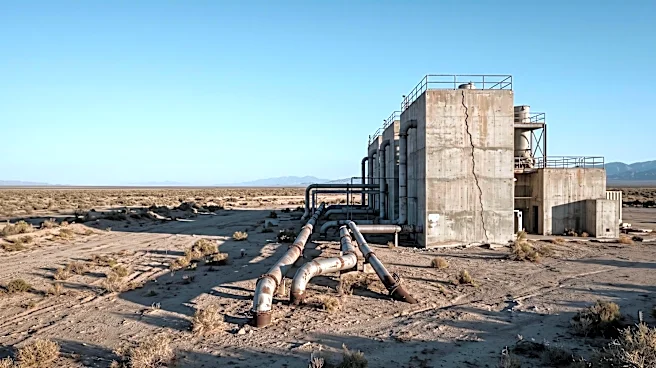
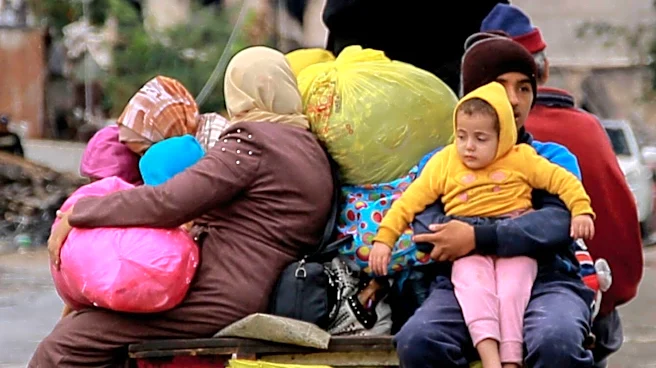
intensified settler violence, escalating Israeli military operations, severe movement restrictions, demolitions, and widespread displacement have eroded Palestinian livelihoods and increased food insecurity. A crippling economic crisis has also pushed unemployment to more than double, leaving over a third of the population struggling to meet basic needs. In Gaza, WFP also reduced cash assistance to 75,000 families in July. While there have been slight improvements in food security indicators, two-thirds of the population still face critical and emergency levels of hunger. The World Health Organization (WHO) representative in Occupied Palestinian Territory, Dr. Renee van de Werdt, highlighted a catastrophic water situation in Gaza, with microbiological contamination almost tripling since January due to limited testing capacity. Acute watery diarrhea cases have nearly doubled from March to August, and the water and sanitation situation is expected to worsen during winter.
Why It's Important?
The drastic reduction in food aid by the WFP in the West Bank and Gaza signifies a deepening humanitarian crisis, with severe implications for the health and stability of the Palestinian population. The WFP's funding shortfall directly impacts the ability of hundreds of thousands of people to access essential food, exacerbating an already dire situation caused by economic hardship and ongoing conflict. The increase in food insecurity, coupled with a looming health crisis in Gaza due to contaminated water and inadequate sanitation, poses a significant public health threat. The inability to provide long-term care and prosthetics for those who have lost limbs further highlights the systemic challenges and the long-term consequences of the conflict. This situation underscores the critical need for sustained international humanitarian assistance and attention to prevent a wider catastrophe, as the current trajectory suggests a potential for up to 90% of Gaza's population to face high levels of acute food insecurity by year-end if aid is not maintained.
What's Next?
The WFP requires $386 million to prevent further reductions in assistance in Gaza and the West Bank over the next six months. Without this funding, up to 90% of Gaza's population could face high levels of acute food insecurity by the end of the year. The World Health Organization warns that the water and sanitation situation in Gaza is likely to worsen during the winter months, increasing the risk of disease outbreaks. Efforts are needed to protect fragile health gains and prevent a public health disaster. The international community is urged to provide continued support and solidarity, as there is a real danger of global attention shifting away from Palestine despite the persistent and growing needs of its population. The ongoing Israeli attacks and daily casualties in Gaza, despite a ceasefire agreement, indicate that the humanitarian situation remains precarious and could deteriorate further.
Beyond the Headlines
The ongoing humanitarian crisis in the West Bank and Gaza extends beyond immediate food and health concerns, touching upon deeper issues of human dignity, displacement, and the long-term impact of conflict. The WFP's report of families being 'forced from their homes, their livelihoods destroyed' and unable to move freely highlights the profound disruption to daily life and economic stability. The lack of access to prosthetics for thousands of amputees, including many children, points to a severe deficit in rehabilitation and long-term care, which will have lasting societal and psychological consequences. The 'unacceptable' reliance on water trucking in Gaza, nearly three years into the crisis, underscores a failure to establish sustainable infrastructure and basic services. This situation reflects a broader pattern where humanitarian aid becomes a temporary fix rather than a pathway to self-sufficiency, perpetuating a cycle of dependency and vulnerability amidst ongoing geopolitical tensions.