








What's Happening?
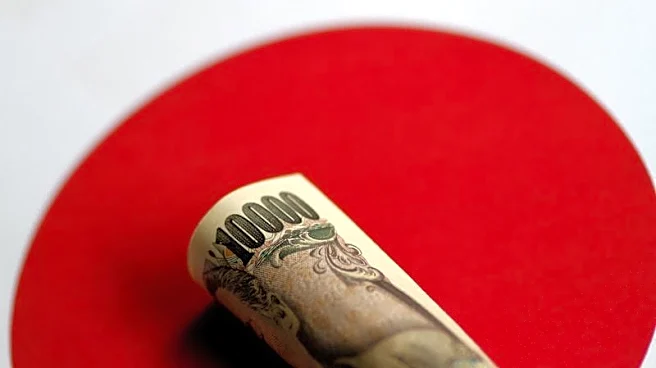
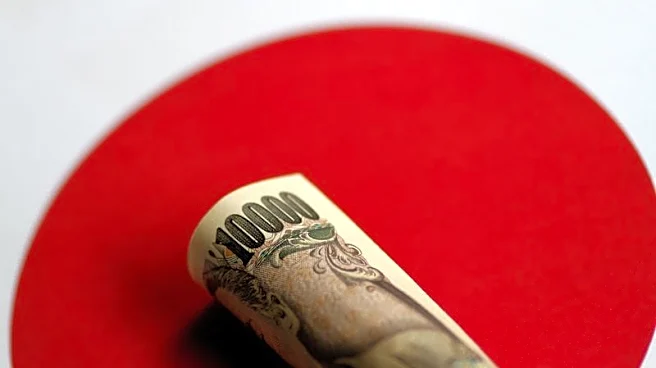
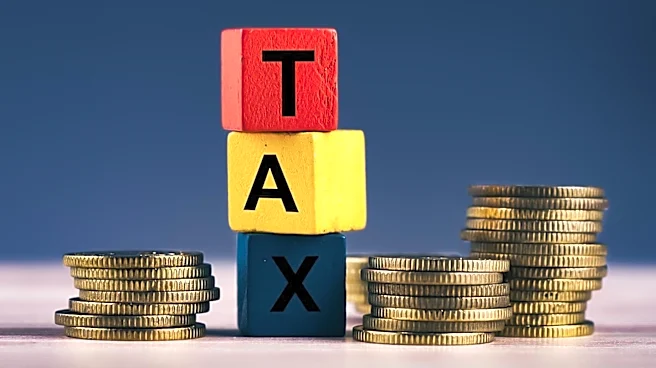
Japan's Prime Minister Sanae Takaichi has announced a plan to reduce the consumption tax rate on food items from 8% to 1% for two years starting next April. This marks the first-ever reduction in the country's consumption tax, which has been a significant
source of national revenue since its introduction in 1989. The tax, which accounts for about 30% of Japan's total national tax revenue, has historically been a contentious issue, often impacting the political fortunes of prime ministers. The decision to lower the tax is part of a broader effort to support households facing rising living costs and to stimulate domestic consumption.
Why It's Important?
The reduction in the consumption tax on food is a significant move aimed at alleviating the financial burden on Japanese households amid economic instability. By lowering the tax, the government hopes to boost consumer spending, which is crucial for economic recovery. This decision comes at a time when Japan is dealing with economic challenges, including currency intervention and the need to stimulate growth. The move could also have political implications, as it may influence public opinion ahead of the upcoming election, potentially affecting the political landscape in Japan.
What's Next?
The implementation of the tax cut is scheduled for next April, and its impact on consumer behavior and the economy will be closely monitored. The government may face challenges in balancing the reduced tax revenue with the need to fund public services. Additionally, political leaders will likely assess the public's response to the tax cut as they prepare for the upcoming election. The success of this policy could influence future economic strategies and political decisions in Japan.