







What's Happening?
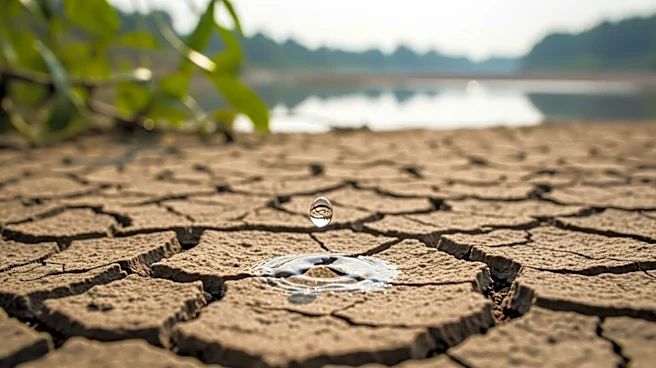
Illinois is grappling with ongoing drought conditions that have highlighted the state's fragmented water management policies. The Illinois Department of Natural Resources (IDNR) is primarily responsible for water supply management, but faces staffing
shortages that hinder its ability to monitor and enforce water usage. Local governments, such as Sullivan and Bloomington, have declared water emergencies or eased restrictions, respectively, due to varying drought impacts. The state is also considering how to regulate high water users like data centers. The Chicago Metropolitan Agency for Planning (CMAP) is advocating for updated water management rules to better handle the state's diverse water resources, which include lakes, rivers, and aquifers.
Why It's Important?
The drought in Illinois underscores the need for comprehensive water management policies to ensure sustainable water use across the state. As climate change exacerbates water scarcity, effective management becomes crucial for maintaining water quality and availability. The state's fragmented approach, with multiple agencies involved, complicates efforts to address these challenges. The rise of data centers, which are significant water consumers, adds urgency to the need for regulatory frameworks that can balance economic development with resource conservation. Failure to address these issues could lead to long-term water shortages, affecting agriculture, industry, and residential water supply.
What's Next?
Illinois lawmakers are in the early stages of considering statewide water use plans, with discussions focusing on the need for a more coordinated approach to water management. The development of a comprehensive water sustainability plan, similar to the Great Lakes Water Compact, is being considered to ensure equitable water distribution and conservation. As the state navigates these challenges, increased reporting and monitoring of water usage by municipalities and industries will be critical. The outcome of these legislative efforts will determine how effectively Illinois can manage its water resources in the face of ongoing and future drought conditions.