






What's Happening?
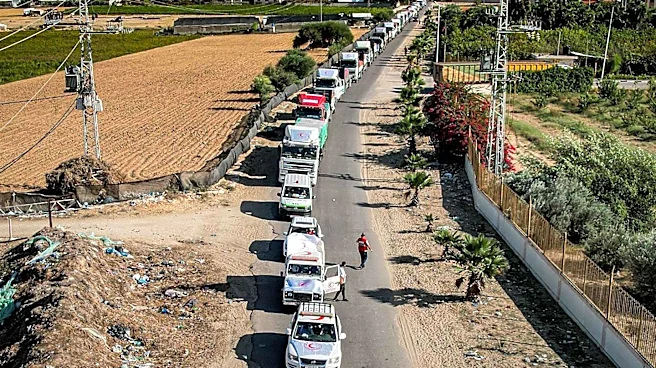
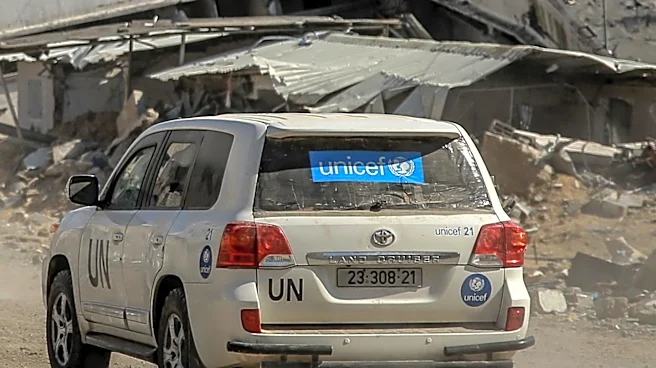
The United Nations Relief and Works Agency for Palestine Refugees (UNRWA) has reported that approximately 94% of Gaza’s population, totaling 1.98 million people, requires urgent humanitarian assistance. This critical need is primarily for shelter and non-food
items, exacerbated by deteriorating living conditions and persistent shortages of essential services. According to a report published by UNRWA, 58% of the population faces critical or catastrophic shelter needs. An assessment of 113 displacement sites identified 18 emergency shelters as unsafe due to structural integrity risks, with four facing an extremely high risk of collapse. Furthermore, 84% of Gaza’s population experiences frequent and irregular disruptions in access to safe and clean water, and 89% of households lack sufficient basic hygiene supplies. These findings underscore the severe humanitarian crisis unfolding in the region.
Why It's Important?
The dire humanitarian situation in Gaza, as highlighted by UNRWA, signifies a profound crisis with far-reaching implications. The overwhelming need for basic necessities like shelter, water, and hygiene supplies indicates a collapse of essential infrastructure and services, posing significant health and safety risks to nearly two million people. The structural instability of emergency shelters, with some at high risk of collapse, directly endangers displaced populations. This situation places immense pressure on international aid organizations and donor countries, including the U.S., to provide substantial and sustained assistance. Failure to address these urgent needs could lead to widespread disease, further displacement, and increased mortality rates, potentially destabilizing the broader Middle East region and creating complex geopolitical challenges for U.S. foreign policy and humanitarian efforts.
What's Next?
The immediate next steps will likely involve intensified calls from UNRWA and other humanitarian organizations for increased international funding and logistical support to address the critical needs in Gaza. Efforts will focus on securing safe and adequate shelter, improving access to clean water, and distributing essential hygiene supplies. Donor nations, including the U.S., will face pressure to commit additional resources and facilitate the unimpeded delivery of aid. There will also be a need for ongoing assessments of shelter safety and the implementation of measures to mitigate risks for displaced populations. The international community will likely continue to monitor the situation closely, with potential for diplomatic engagements aimed at ensuring humanitarian access and protecting civilians.
Beyond the Headlines
The crisis in Gaza extends beyond immediate humanitarian concerns, touching upon deeper issues of long-term stability, human rights, and the effectiveness of international aid mechanisms. The high percentage of the population requiring urgent assistance points to systemic vulnerabilities and the devastating impact of prolonged conflict and blockade. The challenges in providing basic services like water and sanitation raise questions about the sustainability of life in the region and the potential for future public health crises. This situation also highlights the critical role of organizations like UNRWA, which often operate under immense pressure and funding constraints. The ongoing need for emergency aid underscores the broader geopolitical complexities and the persistent struggle to achieve lasting peace and development in the region, with significant implications for global humanitarian policy and U.S. engagement in the Middle East.