







What's Happening?
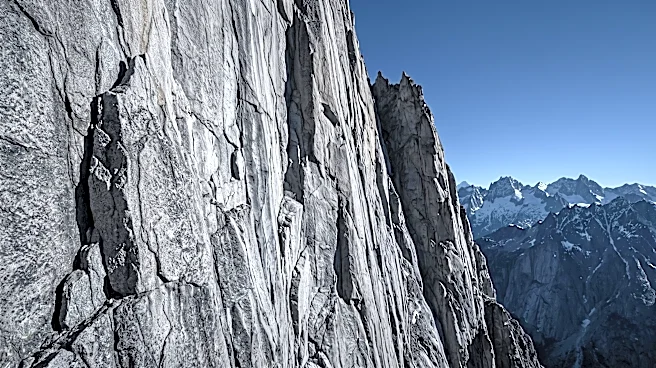
A 16-year-old hiker required rescue from a technical cliffside on British Columbia’s Crown Mountain after an AI-generated route led him into dangerous terrain. The unidentified AI tool suggested a path starting on Grouse Mountain, proceeding through a gully,
and then up 'Widowmaker,' a challenging 10-pitch alpine climbing route. The teenager reached the base of the climb’s final headwall and called for help. North Shore Rescue (NSR) personnel, who had just completed a helicopter recertification nearby, responded to the call. Rescuers inserted a technical team above the hiker's location, established an anchor, and belayed a member down to move the teenager to a suitable extraction point. This incident follows a similar event where three hikers were rescued from California’s Mount Shasta after using Google’s Gemini for route planning, leading them off-route into a dangerous canyon. Additionally, a woman was found camping illegally based on ChatGPT's advice, and another hiker received an AI-generated map with incorrect geographic features.
Why It's Important?
This incident highlights the critical dangers of relying on artificial intelligence for planning outdoor activities, particularly in challenging environments like mountain hiking. The increasing accessibility of AI tools means more individuals might turn to them for convenience, potentially without understanding the inherent risks of unverified information. For search and rescue organizations, this trend could lead to an increase in call-outs for preventable incidents, straining resources and endangering both hikers and rescuers. The reliance on AI for route planning, as demonstrated by the Mount Shasta and Crown Mountain rescues, underscores a broader issue of digital literacy and critical evaluation of AI-generated content. It also raises questions about the responsibility of AI developers to include disclaimers or safety warnings for applications that could have real-world safety implications, especially in activities requiring precise and accurate navigational data.
What's Next?
Following these incidents, search manager Paul Markey of North Shore Rescue has urged hikers to avoid AI for route planning and instead use reliable tools such as Caltopo, AllTrails, or GaiaGPS. He also emphasized the importance of double-checking any AI-generated routes for feasibility. This recommendation suggests a push towards educating the public on safer navigation practices and the limitations of current AI in complex outdoor scenarios. It is likely that outdoor recreation communities and safety organizations will continue to advocate for the use of established, verified mapping and navigation resources. Furthermore, there may be increased pressure on AI developers to implement more robust safety protocols, disclaimers, or even restrictions on generating routes for high-risk activities, to prevent future incidents and mitigate potential liabilities.
Beyond the Headlines
The growing reliance on AI for practical tasks, even those with significant safety implications, points to a broader societal shift towards automation and digital solutions. This trend, while offering convenience, also introduces new forms of risk, particularly when AI models lack real-world contextual understanding or are prone to 'hallucinations'—generating plausible but incorrect information. The incidents underscore the ethical considerations for AI development, particularly regarding user safety and the need for human oversight in critical applications. It also highlights a potential gap in user education regarding the appropriate and safe use of AI tools. As AI technology advances, there will be an ongoing challenge to balance innovation with safety, ensuring that users are adequately informed about the limitations and potential dangers of AI-generated advice, especially in fields where human lives are at stake.