






What's Happening?
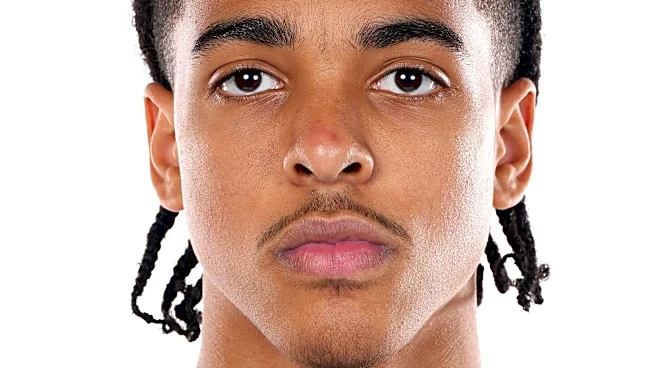
U.S. passport photo requirements mandate a neutral facial expression with both eyes open and mouth closed, a rule that has been in effect for decades and was updated around 2004. While the State Department clarifies that applicants can 'smize' (smile
with their eyes) as long as their mouth is closed and teeth are not showing, a wide smile with teeth is prohibited. This regulation is primarily driven by the widespread use of facial recognition software at border controls and airports. Biometric technology, which relies on pinpointing and measuring specific facial features like the distance between pupils, nose, and mouth, struggles to accurately verify identity when facial proportions are altered by an exaggerated expression like a broad smile.
Why It's Important?
The strict adherence to a neutral facial expression in passport photos is crucial for the effectiveness of biometric identification systems used for national security and border protection. As more ports of entry utilize automated systems for scanning passports and verifying identities, the accuracy of facial recognition technology becomes paramount. An altered facial expression can impede these systems, leading to delays in processing and potential security vulnerabilities. This rule ensures that the biometric data captured in the passport photo provides a consistent and reliable baseline for comparison, facilitating quicker and more secure identification of travelers. Non-compliance can result in delayed passport applications, requiring applicants to resubmit photos that meet the specified criteria.
What's Next?
Travelers applying for or renewing U.S. passports must ensure their photos strictly adhere to the neutral expression requirement to avoid processing delays. The State Department will continue to enforce these guidelines, and applicants submitting photos with exaggerated expressions will receive notifications to provide new, compliant images. This emphasis on precise biometric data will likely continue as facial recognition technology evolves and becomes even more integral to international travel security. Future advancements in biometric software may eventually allow for more flexibility in facial expressions, but for now, a neutral, unsmiling face remains the standard for secure and efficient identity verification at borders.
Beyond the Headlines
The seemingly simple rule about not smiling in passport photos reflects a deeper interplay between technology, security, and individual expression. It highlights the limitations of current biometric facial recognition systems, which, unlike human perception, require highly standardized inputs for accurate identification. This policy also underscores the increasing role of automated systems in critical security functions, raising questions about the balance between efficiency, security, and the user experience. The global standardization of such rules by organizations like the International Civil Aviation Organization indicates a concerted international effort to enhance travel security through technological means, potentially influencing future norms for digital identity and personal data representation across various contexts.