







What's Happening?
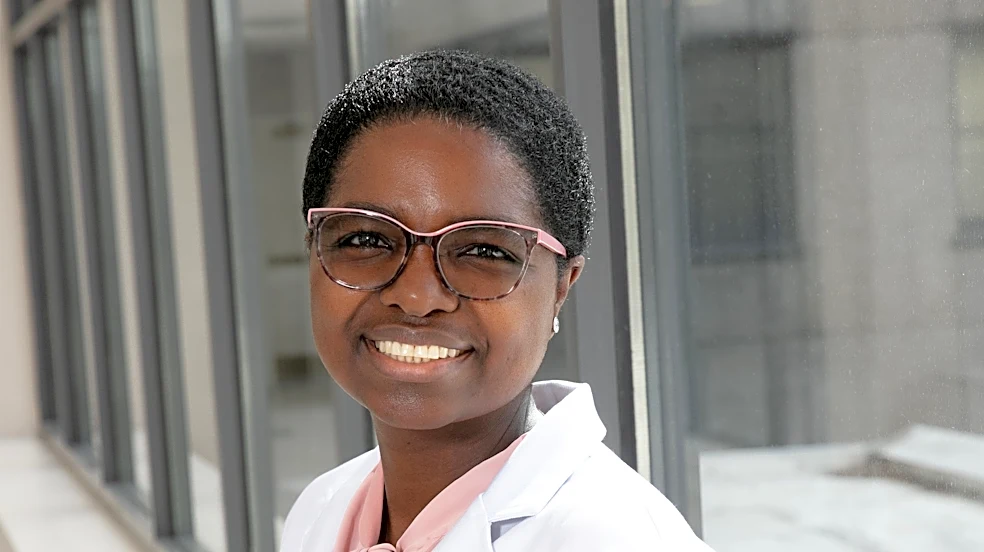
Tori Hawkins Miller, a woman from Hundred, West Virginia, successfully navigated a rare breast cancer diagnosis at the age of 22 through self-advocacy and comprehensive care at WVU Medicine. Miller, a nurse with no family history of cancer, discovered
a lump and was subsequently diagnosed with triple-positive invasive ductal carcinoma breast cancer. This diagnosis is rare for women under 40, who constitute only four percent of breast cancer cases. Her treatment involved chemotherapy, a mastectomy, and reconstructive surgery using her own tissue, followed by radiation therapy and a breast reduction for symmetry. Miller emphasized the importance of self-advocacy, encouraging others to trust their instincts and 'bother the doctor' when concerns arise. Her care team at WVU Cancer Institute, including Dr. Hannah Hazard-Jenkins and Dr. Majed Maalouf, tailored her treatment to balance life-saving care with her long-term personal goals, such as preserving her ability to breastfeed future children.
Why It's Important?
Tori Hawkins Miller's story is significant as it highlights the critical role of self-advocacy in healthcare, particularly for young adults facing rare or complex medical conditions. Her experience underscores the challenges young women face with breast cancer, including balancing treatment with life goals like career and family planning, and the isolation they can feel when diagnosed at a young age. The case also showcases the advanced, patient-centered care available at institutions like WVU Medicine, where multidisciplinary teams work to provide comprehensive treatment that considers individual patient needs and long-term quality of life. Furthermore, it brings attention to the Women’s Health and Cancer Rights Act, which mandates coverage for breast reconstruction after mastectomy, alleviating a significant financial burden for patients. Miller's journey serves as an empowering narrative for others to be proactive in their health and seek out supportive medical care.
What's Next?
Tori Hawkins Miller, now 25, has no evidence of disease and continues to live an active life, having gotten married after starting chemotherapy. Her story is being shared to inspire and empower other women and patients to advocate for themselves and trust their instincts regarding their health. WVU Medicine and the WVU Cancer Institute will likely continue to use her experience as an example of successful patient-centered care and the importance of early detection and self-advocacy. The medical community may also continue to focus on age-specific challenges in cancer treatment for young adults, seeking to improve support systems and treatment options that consider their unique life stages and goals. Efforts to educate the public about breast cancer in younger populations and the importance of self-examination will likely be reinforced.
Beyond the Headlines
Miller's narrative extends beyond a personal health journey to touch upon broader societal and ethical considerations in medicine. Her emphasis on 'bothering the doctor' challenges traditional patient-doctor dynamics, encouraging a more active and informed role for patients in their own care. This is particularly relevant for women, who are often socialized to be less assertive in medical settings. The story also highlights the psychological and emotional toll of a cancer diagnosis at a young age, including feelings of isolation and the need for peer support. The thoughtful approach by her medical team to preserve her ability to breastfeed future children exemplifies the evolving ethical considerations in cancer treatment, moving beyond mere survival to encompass quality of life and future aspirations. Her resilience and positive attitude, even amidst a challenging diagnosis, offer a powerful message of hope and empowerment for individuals facing similar health crises.