









What's Happening?
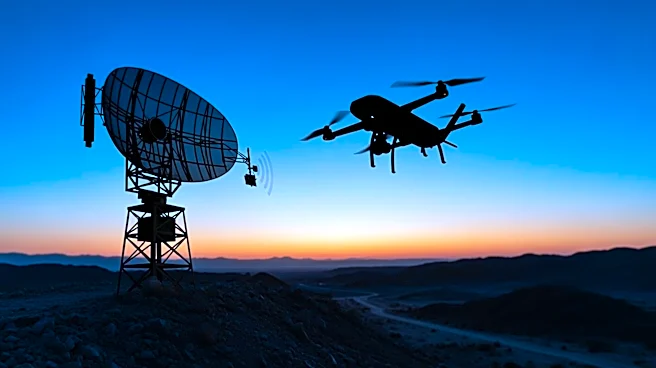
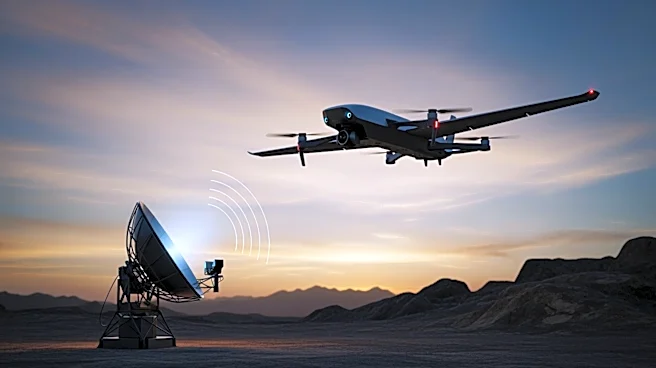
The US military is utilizing the southern border as a testing ground for counter-drone technology in response to increasing cartel surveillance flights. This initiative is part of a broader effort to address the proliferation of inexpensive drone technologies
that have transformed warfare globally. General Gregory Guillot, commander of US Northern Command, highlighted the operational challenges posed by cartel drones during a panel discussion at the SOF Week conference in Tampa, Florida. The military is deploying various counter-UAS systems along the border to evaluate their effectiveness in real-world conditions. This testing is crucial as current solutions are inadequate for reliably combating multiple drones or protecting mobile troops. The initiative follows incidents where US service members were killed by drone strikes in the Middle East, underscoring the urgent need for improved defenses.
Why It's Important?
The testing of counter-drone technology at the US-Mexico border is significant due to the growing threat posed by drones in both military and civilian contexts. The democratization of drone technology has lowered the barrier for acquiring lethal capabilities, making it accessible to criminal organizations like cartels. This development has implications for national security and the safety of US troops. The military's efforts to develop effective countermeasures are critical to maintaining operational readiness and protecting personnel. Additionally, the initiative reflects broader concerns about the evolving nature of warfare and the need for adaptive strategies to address emerging threats.
What's Next?
The US military will continue to test and refine counter-drone technologies at the southern border, with the potential for these systems to be deployed in other conflict zones. The results of these tests will inform future procurement decisions and the development of new defense strategies. As the military evaluates the effectiveness of various technologies, there may be increased collaboration with defense contractors to address identified gaps. The ongoing threat of drone attacks will likely prompt further investment in research and development to enhance the military's capabilities in this area.