

What's Happening?
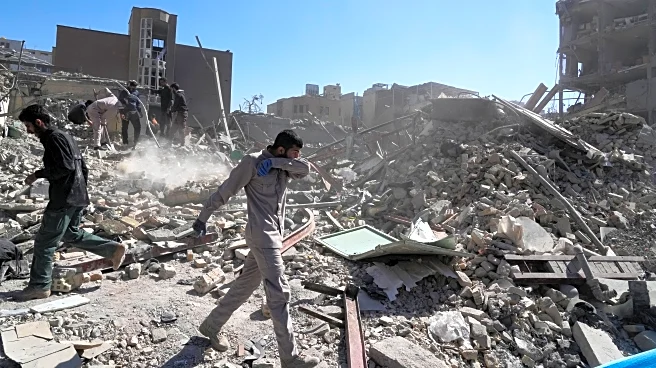
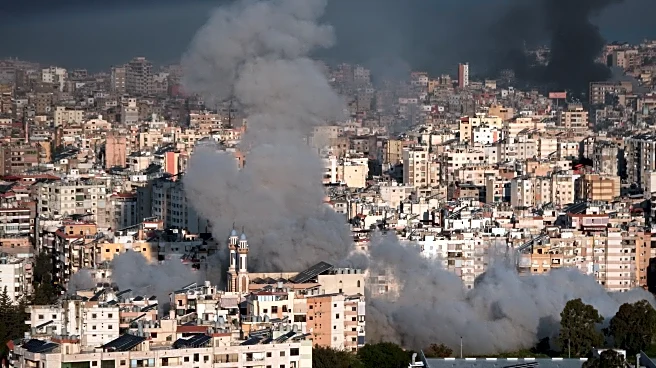
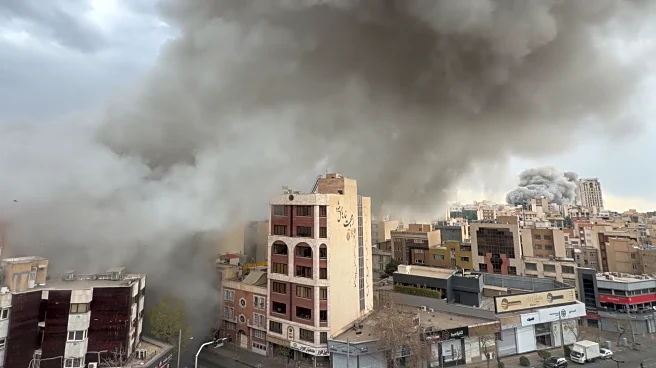
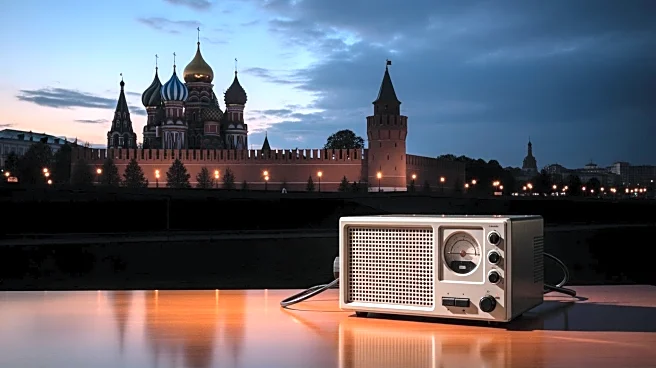
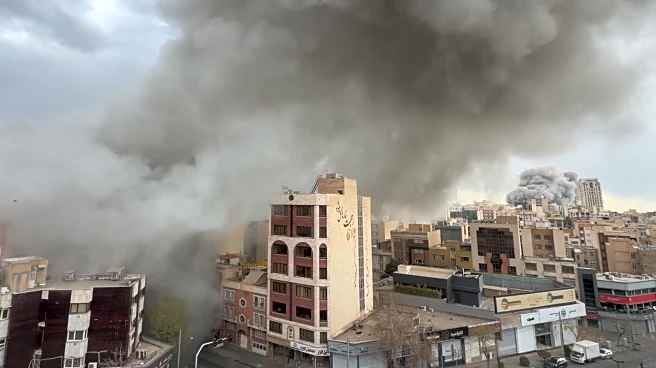
The Kremlin has announced that Iran has not sought military assistance from Russia following recent attacks by the United States and Israel. Dmitry Peskov, the Kremlin's top spokesman, confirmed during a briefing that no requests for help have been made
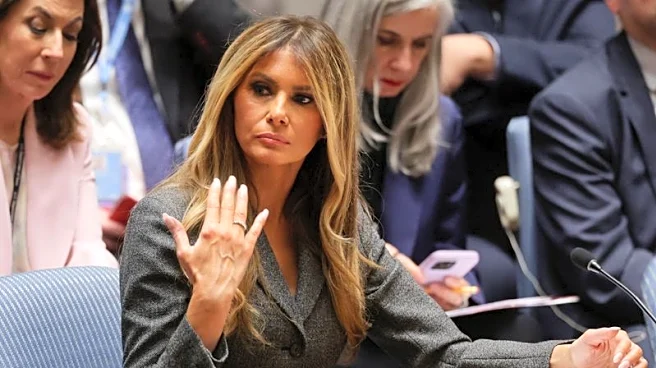
by Iran. Despite being a close ally of Tehran, Russia's response to the situation has been limited to diplomatic statements. Russia's envoy to the United Nations condemned the attacks on Iran as acts of aggression. In 2025, Russia and Iran signed a strategic partnership agreement aimed at countering shared threats, but this agreement does not include mutual defense obligations.
Why It's Important?
The lack of a request for Russian assistance from Iran highlights the complexities of international alliances and the limitations of strategic partnerships. This development underscores the cautious approach Russia is taking in the Middle East, balancing its alliances with Iran and its broader geopolitical interests. The situation also reflects the ongoing tensions in the region and the potential for further escalation. For the U.S. and Israel, the absence of Russian military involvement may influence their strategic calculations. The broader implications for international diplomacy and security are significant, as major powers navigate their roles in the conflict.
What's Next?
Russia is expected to continue its diplomatic efforts in international forums, such as the UN Security Council, to address the situation. The international community will likely monitor Russia's actions closely, as any shift in its stance could impact the dynamics of the conflict. Meanwhile, Iran's response to the attacks and its future diplomatic or military strategies remain uncertain. The situation may prompt further discussions among global powers about security and stability in the Middle East.