

What's Happening?
The steel distributors association EUROMETAL has issued a warning that Europe's industrial base could face significant decline unless there is an urgent reevaluation of trade and climate policies. During a meeting in Milan, President Alexander Julius
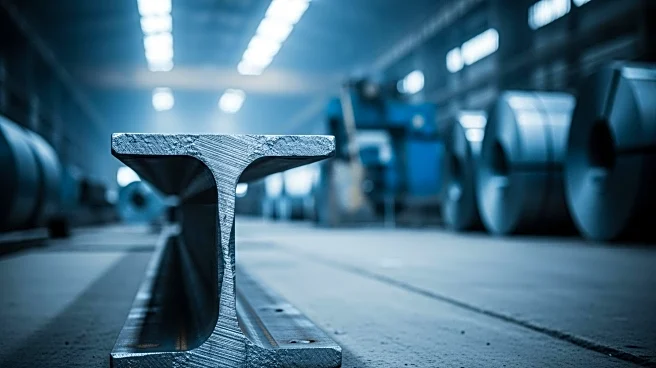
criticized the current European steel policy for its narrow focus on steelmaking, neglecting the broader ecosystem of distribution and downstream manufacturing. Julius emphasized the importance of steel distribution and steel-using industries, which support millions of jobs. EUROMETAL is advocating for a 'level playing field' for steel-based products, urging national governments to implement measures similar to those applied to raw steel. The association has been lobbying Brussels to address the imbalance where raw steel imports face safeguards and quotas, while downstream steel products enter the EU market with fewer restrictions.
Why It's Important?
The warning from EUROMETAL highlights the potential risk to Europe's industrial sector, which could face hollowing out if current policies remain unchanged. The discrepancy in trade policies has led to a steady erosion of European steel consumption over the past 15 years, as imported finished and semi-finished goods displace domestic materials. This issue is exacerbated by the expansion of protections in the US and Canada, leading exporters like China, India, and Turkey to divert more steel towards Europe. Planned changes to EU steel safeguards could increase steel prices without boosting production, potentially accelerating industrial relocation to countries with lower costs. The situation underscores the need for coordinated national action to ensure fair treatment for steel-based products.
What's Next?
EUROMETAL is calling for sustained pressure from EU member states to prompt action from EU institutions. The association is also addressing concerns about the EU's Carbon Border Adjustment Mechanism (CBAM), which aims to support decarbonization but faces unresolved methodological issues. These include emissions benchmarks and certification procedures, which could lead to unexpected costs for companies when payments begin. Julius emphasized the need for coordinated national action to ensure fair treatment for steel-based products, suggesting that only sustained member-state pressure will lead to necessary reforms.
Beyond the Headlines
The broader implications of EUROMETAL's warning include potential shifts in the global steel market and the impact on European manufacturing competitiveness. The imbalance in trade policies could lead to increased reliance on imported steel products, affecting domestic production and employment. Additionally, the unresolved issues with the CBAM could create financial uncertainties for companies, impacting their ability to plan for future liabilities. The situation highlights the need for comprehensive policy reforms to address both trade and environmental challenges in the steel industry.