
What's Happening?
Indiana is among 27 states experiencing significant cuts to environmental agency budgets, as detailed in a report by the Environmental Integrity Project. The report highlights that Indiana has reduced
its environmental funding by 19% and staffing by 14% from 2010 to 2024. These cuts are part of a broader trend across the U.S., where 22 states have slashed at least 10% of their environmental budgets, totaling approximately $1.4 billion in reductions when adjusted for inflation. The report attributes these cuts to changes announced by President Trump's administration, which aimed to reduce staffing and funding for the U.S. Environmental Protection Agency (EPA). Critics argue that these reductions compromise the ability of state and federal agencies to protect public health and the environment.
Why It's Important?
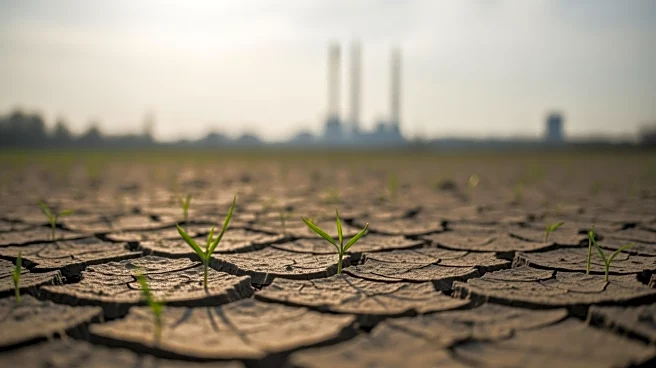
The reduction in environmental funding and staffing in Indiana and other states poses significant risks to public health and environmental protection. With decreased resources, state agencies may struggle to enforce pollution controls and manage environmental hazards effectively. This situation could lead to increased pollution and health risks, particularly in regions heavily reliant on industrial activities. The cuts also reflect a broader deregulatory agenda that may weaken the enforcement of environmental laws, potentially leading to long-term ecological and health consequences. The situation underscores the need for a balanced approach that ensures both economic efficiency and robust environmental protection.
What's Next?
The ongoing budget cuts may prompt increased advocacy and legal challenges from environmental groups and affected communities. These stakeholders are likely to push for policy changes that restore funding and strengthen environmental protections. Additionally, state agencies may need to explore alternative funding sources or partnerships to maintain essential environmental programs. The situation could also influence future political debates and elections, as environmental issues become more prominent in public discourse.