





What's Happening?
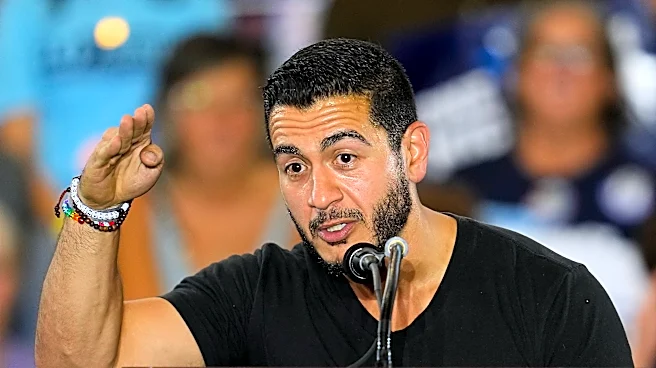
Muslim politicians in the Democratic Party, such as Abdul El-Sayed, who recently won Michigan's Democratic Senate primary, are facing increased Islamophobic rhetoric from Republican figures. Prominent Republicans, including Senators Tommy Tuberville and
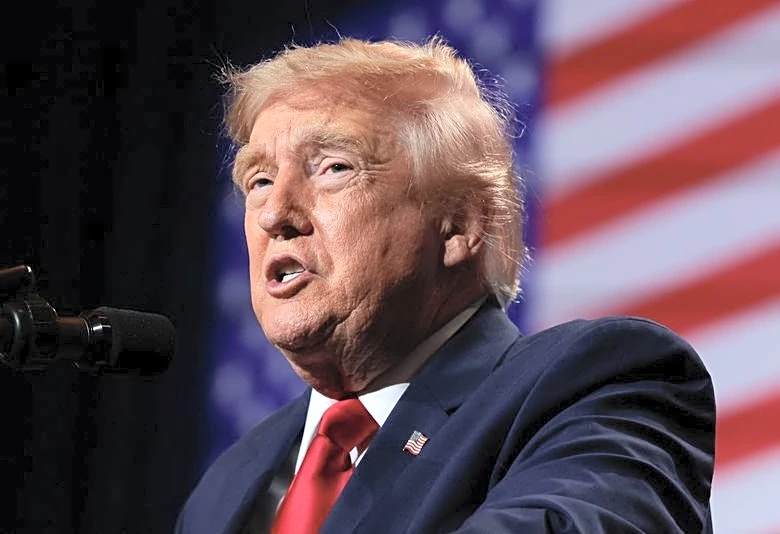
Ted Cruz, have made inflammatory remarks, labeling El-Sayed a 'terrorist' and accusing him and others of promoting 'Sharia law.' President Trump has also contributed to this narrative, suggesting that 'jihadists' are being elected. This rhetoric is part of a broader trend of anti-Muslim sentiment within the GOP, which has been criticized for framing nonwhite politicians as outsiders.
Why It's Important?
The rise in Islamophobic rhetoric from Republican politicians highlights ongoing challenges in American political discourse, particularly concerning race and religion. This trend could exacerbate divisions within the electorate and influence voter perceptions of Muslim politicians. It also raises concerns about the normalization of hate speech in political rhetoric, which could have broader implications for social cohesion and minority representation in politics. The response from Muslim politicians and their allies will be crucial in addressing these challenges and promoting inclusivity within the political landscape.