









What's Happening?
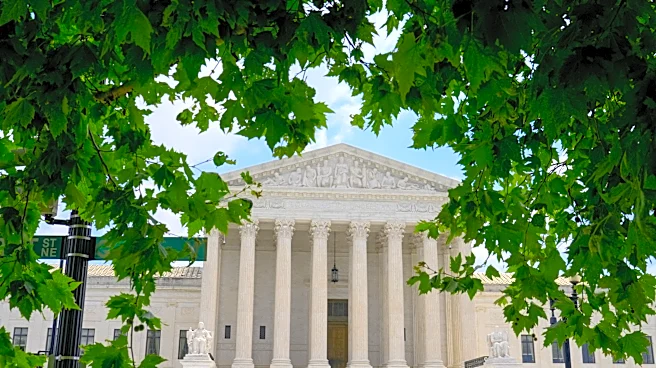
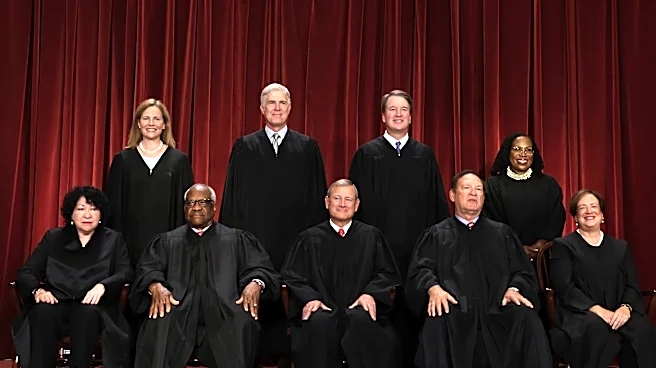
The U.S. Supreme Court has allowed Texas to enforce a law requiring mobile app stores to verify the age of users and obtain parental consent for minors. This decision comes after a legal challenge from the computer industry and a group of students who
argued that the law violates the First Amendment. The law, enacted last year, aims to enhance online safety for minors by ensuring that app downloads are subject to parental oversight. The Supreme Court's decision was made without explanation and without any noted dissents. The law's enforcement was previously blocked by a federal district court, but a three-judge panel of the conservative 5th U.S. Circuit Court of Appeals allowed it to proceed. The Computer & Communications Industry Association, representing major tech companies like Apple and Google, contends that the law could restrict minors' access to a wide range of content, including books, music, and educational materials.
Why It's Important?
This ruling is significant as it sets a precedent for other states considering similar regulations aimed at protecting minors online. The decision underscores the ongoing tension between state efforts to regulate digital content and the tech industry's concerns about free speech and access to information. By allowing Texas to enforce this law, the Supreme Court has potentially opened the door for more stringent online regulations that could affect how minors interact with digital content. This could lead to a broader national debate on the balance between protecting children and preserving digital freedoms. The ruling also highlights the influence of conservative judicial perspectives on digital regulation, as seen in previous cases involving age verification for online content.
What's Next?
As the litigation continues, the tech industry may seek further legal avenues to challenge the law, potentially bringing the case back to the Supreme Court for a more definitive ruling. Other states may observe the outcome of this case to inform their own legislative efforts regarding online safety for minors. The decision could prompt tech companies to adjust their app store policies and parental consent mechanisms to comply with the new regulations. Additionally, civil liberties groups may increase advocacy efforts to protect digital speech rights, potentially influencing future legislative and judicial actions.