



What's Happening?
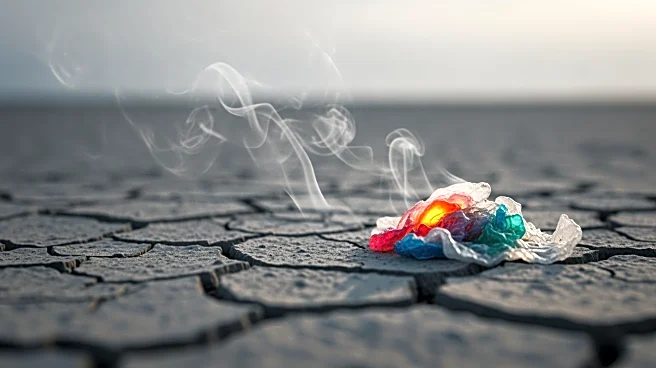
A recent study has revealed the widespread practice of burning plastic waste as a household fuel in low-income communities across the Global South. The research, conducted through a survey of 1,018 respondents, highlights the challenges faced by these
communities in accessing affordable and clean energy sources. The study found that plastic waste burning is prevalent due to the lack of waste management systems and the high cost of traditional fuels. Respondents from regions such as Latin America, the Caribbean, Asia, and Africa reported varying levels of plastic waste burning, with some using it as a cooking fuel or for heating purposes. The practice poses significant health and environmental risks, as burning plastic releases harmful toxins that contribute to poor air quality and health issues.
Why It's Important?
The findings of this study underscore the urgent need for improved waste management and energy access in low-income regions. The reliance on plastic waste as a fuel source highlights the socio-economic challenges faced by these communities, where traditional fuels are either too expensive or unavailable. This practice not only exacerbates environmental pollution but also poses severe health risks to residents, particularly in densely populated urban areas. The study's insights could inform policy decisions aimed at providing sustainable energy solutions and enhancing waste management infrastructure, thereby reducing the dependency on harmful practices like plastic burning.
What's Next?
Addressing the issue of plastic waste burning requires a multifaceted approach, including the expansion of waste management services and the promotion of clean energy technologies. Policymakers and international organizations may need to prioritize investments in infrastructure that can provide affordable and sustainable energy alternatives. Additionally, raising awareness about the health risks associated with plastic burning and implementing educational programs could help mitigate the practice. Future research could focus on developing localized solutions that cater to the specific needs of different regions, ensuring that interventions are both effective and culturally appropriate.
Beyond the Headlines
The practice of burning plastic waste as a household fuel reflects deeper systemic issues related to poverty and inequality. It highlights the intersection of environmental and social justice, where marginalized communities bear the brunt of inadequate infrastructure and policy failures. The study also points to the potential for innovative solutions that leverage local resources and knowledge to create sustainable energy systems. By addressing the root causes of energy poverty and waste mismanagement, there is an opportunity to foster resilience and improve the quality of life for millions of people in the Global South.