





What's Happening?
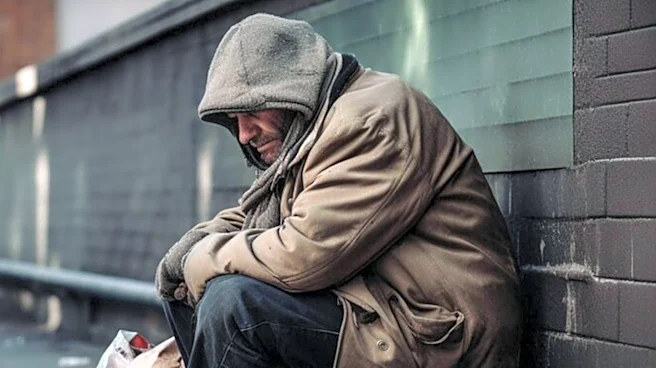
New York City is preparing for winter with heightened concerns over an increasing number of homeless deaths attributed to freezing temperatures and substance addiction. Last year, at least 15 homeless individuals died from hypothermia in the city. These
fatalities often occurred despite prior interactions with homeless services, prompting questions about the effectiveness of current city policies. A recent report indicated that nearly half of homeless deaths were linked to drug and alcohol abuse, making substance use the primary cause, significantly surpassing heart disease. While harm reduction strategies, such as safe injection sites and healthcare access, are in place, critics are questioning whether these approaches adequately address addiction within shelters, where substance use reportedly continues unchecked. Additionally, vulnerable children are affected, with eight homeless infants dying last year, many in environments with intoxicated caregivers. Shelter conditions and oversight are under scrutiny, with calls for improved support and regular inspections to protect families and promote recovery.
Why It's Important?
The rising number of hypothermia deaths among New York City's homeless population highlights a critical public health and social crisis. The disproportionate impact on African Americans and Hispanics, who are overrepresented in homeless fatalities compared to their share of the city's population, underscores existing systemic inequalities. The debate over intervention limits when homeless individuals decline shelter, even in severe weather, points to a complex challenge balancing individual rights with life-saving measures. The prevalence of substance abuse as a leading cause of death among this population suggests that current harm reduction policies may need re-evaluation to integrate more effective addiction treatment within shelter systems. Failure to address these issues could lead to a continued increase in preventable deaths, placing further strain on emergency services and public resources, and eroding public trust in the city's ability to protect its most vulnerable residents.
What's Next?
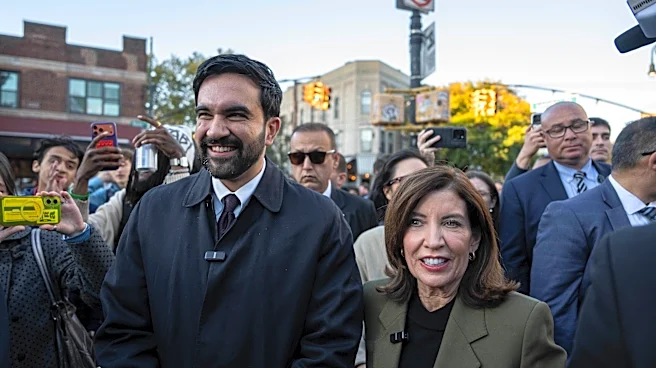
As winter approaches, New York City faces immediate pressure to implement more effective measures to protect its homeless population. This includes re-evaluating existing policies regarding intervention when individuals refuse shelter, potentially leading to new protocols for assessing and assisting those deemed a danger to themselves. There will likely be increased calls for enhanced addiction treatment programs within homeless shelters and more stringent oversight of shelter conditions, particularly concerning the safety of children. Advocacy groups and city officials will continue to push for comprehensive strategies that balance individual autonomy with public safety and health. The new mayor's pledge for compassion and clarity in tackling homelessness will be tested as freezing temperatures set in, demanding urgent and visible action to prevent further fatalities and address the underlying issues of homelessness and addiction.
Beyond the Headlines
The ongoing crisis of homeless deaths in New York City reveals deeper societal challenges beyond immediate weather concerns. The persistence of substance abuse within shelters, despite harm reduction efforts, suggests a need for a more holistic approach that integrates mental health services and long-term rehabilitation alongside immediate care. The ethical dilemma of intervening when individuals refuse help touches upon fundamental questions of personal liberty versus societal responsibility, particularly for those experiencing severe mental health or addiction issues. The tragic deaths of homeless infants highlight systemic failures in protecting the most vulnerable, raising questions about the adequacy of family shelters and the oversight of caregiver environments. This situation reflects a broader national struggle to effectively address homelessness, addiction, and mental health, pointing to the need for innovative, integrated solutions that prioritize human dignity and well-being.