








What's Happening?
Recent reports highlight the ongoing challenges posed by infectious diseases, including Ebola, which has resulted in over 500 deaths in Congo. Health workers are considering strikes due to poor working conditions, and clinical trials for antivirals and monoclonal
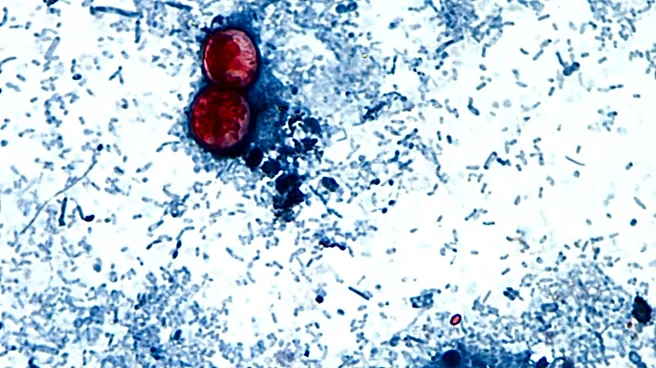
antibodies are underway. In the U.S., a flu outbreak has led to the reinstatement of vaccine requirements after a trainee's death. Additionally, an E. coli outbreak linked to frozen blueberries has prompted recalls in eight states, and Cyclospora cases in Michigan have reached 572. Measles cases continue to rise, with 2,170 reported. In New Mexico, a rabid bat was found, leading to vaccinations for exposed individuals.
Why It's Important?
The resurgence of infectious diseases underscores the need for robust public health measures and preparedness. The Ebola outbreak in Congo highlights the global interconnectedness of health issues and the potential for cross-border impacts. In the U.S., the flu outbreak and other infections emphasize the importance of vaccination and public health vigilance. The recalls and rising cases of foodborne illnesses like E. coli and Cyclospora point to the need for stringent food safety protocols. These developments stress the importance of maintaining strong public health infrastructure to prevent and manage outbreaks effectively.
What's Next?
Public health authorities are likely to intensify efforts to control the spread of infectious diseases through vaccination campaigns and public awareness initiatives. The ongoing clinical trials for Ebola treatments may offer new solutions to reduce mortality rates. In the U.S., health departments will continue to monitor and respond to outbreaks, ensuring food safety and promoting vaccination. The situation calls for increased collaboration between international and domestic health agencies to address the challenges posed by infectious diseases and prevent future outbreaks.