
What's Happening?
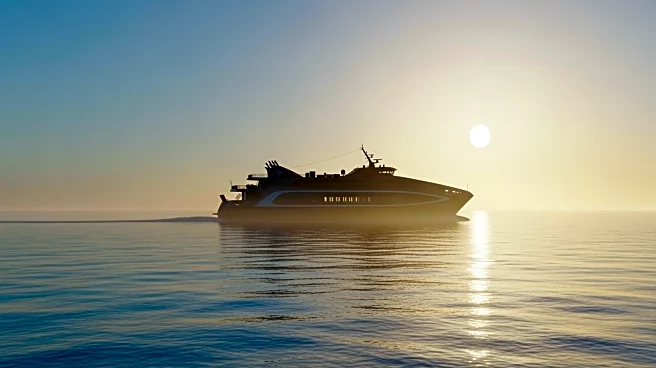
Wasaline, a Finnish-Swedish ferry operator, has reported a successful year in 2025, marked by increased passenger numbers, higher revenues, and significant emission reductions. Despite challenges in the
freight market, the company saw a 2.6% rise in passenger volumes, reaching 259,769 passengers. This growth occurred even though their ROPAX vessel, Aurora Botnia, was out of service for scheduled maintenance in December. Freight volumes experienced a slight decline due to regional economic downturns and other factors, yet Wasaline managed to gain market share in freight logistics. The company's turnover increased by 2.7% to EUR 28.8 million, and emissions were reduced by 85.3% following a transition to biogas operations. CEO Peter Ståhlberg noted growing interest from Central European tourist groups in winter cruises, contributing to passenger growth.
Why It's Important?
Wasaline's performance highlights the resilience and adaptability of ferry operators in the face of economic challenges. The company's ability to increase passenger numbers and reduce emissions demonstrates a successful strategy in sustainable operations. This is particularly significant as industries worldwide are under pressure to minimize environmental impact. Wasaline's transition to biogas and investment in battery technology positions it as a leader in eco-friendly maritime transport. The growth in passenger numbers from Central Europe suggests potential for expanding tourism markets, which could benefit regional economies. Additionally, the company's focus on low-emission operations may attract more freight customers, enhancing its competitive edge in logistics.
What's Next?
Looking ahead, Wasaline anticipates further growth in intermodal freight transport in 2026, driven by increased interest from freight customers in its low-emission operations. The return of Aurora Botnia to service, equipped with the largest battery installation on any ROPAX vessel, strengthens Wasaline's commitment to sustainable ferry operations. The company plans to continue upgrading passenger spaces and technical facilities to maintain its position as a frontrunner in the industry. As interest from European tourist groups grows, Wasaline may explore additional routes or services to capitalize on this demand.
Beyond the Headlines
Wasaline's achievements in emission reduction and passenger growth reflect broader trends in the transportation industry towards sustainability and innovation. The company's investment in biogas and battery technology not only reduces environmental impact but also sets a precedent for other operators to follow. This shift towards greener operations could influence regulatory policies and consumer expectations, driving further advancements in maritime technology. Additionally, the increased interest from Central European tourists highlights the potential for cultural exchange and economic collaboration between regions, fostering a more interconnected and sustainable future.