




What's Happening?
The U.S. Agricultural Research Service has initiated the closure of the Beltsville Agricultural Research Center (BARC) in Maryland, a key facility for bee health research. This decision is part of a broader reorganization plan by the USDA, citing outdated
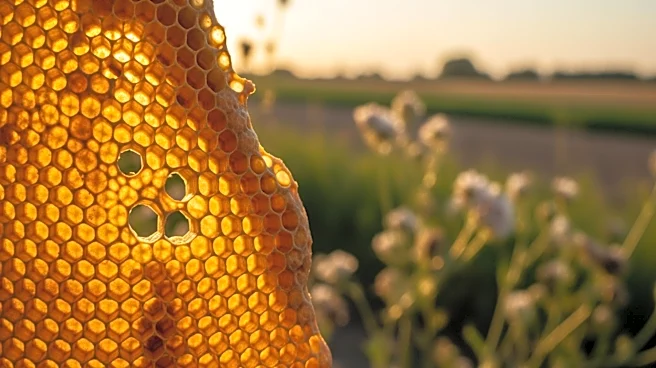
infrastructure as the reason for the closure. The Beltsville Bee Lab, located within BARC, has been instrumental in supporting American beekeepers by providing free disease analysis and developing pest control techniques. The closure comes at a time when beekeepers are facing significant challenges, including a 60% loss of bee colonies due to varroa mites, which have developed resistance to common pesticides. The lab's closure has sparked concern among beekeepers and researchers, who rely on its services for crisis intervention and support in managing bee health.
Why It's Important?
The closure of the Beltsville Bee Lab could have far-reaching implications for the U.S. agriculture sector. Bees play a crucial role in pollinating crops valued at approximately $15 billion annually, and their decline could lead to reduced crop yields and increased grocery prices. This is particularly concerning for disadvantaged communities, who may be disproportionately affected by rising food costs. The lab's closure also highlights broader issues within the USDA's reorganization efforts, which have been criticized for potentially undermining essential agricultural research and support services. The decision to close the lab has been described as 'illegal' by Maryland lawmakers, who argue it violates the Agriculture Appropriations Act.
What's Next?
The future of bee health research in the U.S. remains uncertain as the USDA proceeds with its reorganization plans. Beekeepers and researchers are advocating for the reversal of the lab's closure, emphasizing the need for continued support in managing bee health challenges. There is also a call for consumers to engage with legislators to highlight the importance of the lab's work. The potential relocation of USDA employees could further impact the availability of expertise in bee health, as a significant number of employees have indicated they would not continue with their jobs if relocated.
Beyond the Headlines
The closure of the Beltsville Bee Lab underscores the broader challenges facing the U.S. agricultural sector, including the impact of climate change, biodiversity loss, and agrochemical exposure on bee populations. The decision also raises questions about the prioritization of agricultural research and the potential consequences of reducing support for critical research facilities. As bees are integral to the U.S. food system, their decline could have long-term effects on food security and agricultural sustainability.