






What's Happening?
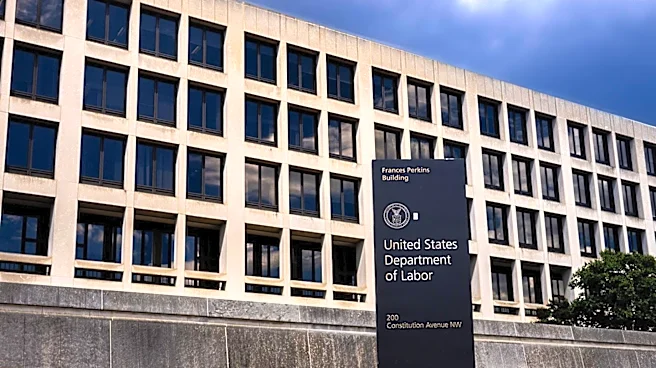
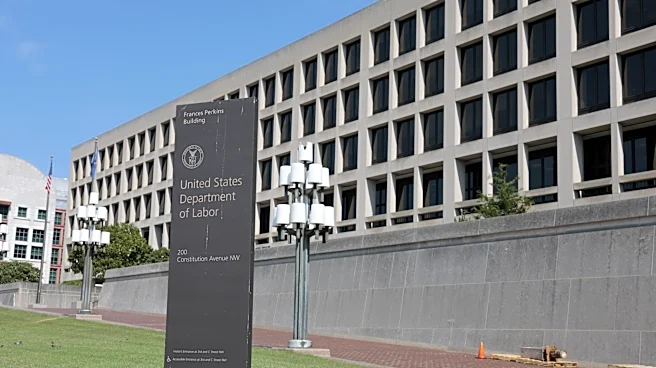
The U.S. Department of Labor (DOL) has introduced a proposed rule aimed at significantly reforming the employment-based permanent residence process, known as the Permanent Labor Certification (PERM) program. This proposal, titled 'Modernizing the Labor Market
Test and Improving Protections for U.S. Workers in the PERM Immigrant Visa Program,' marks the most substantial revision to the program in nearly two decades. Key changes include the elimination of Schedule A, which currently exempts certain occupations like professional nurses and physical therapists from the traditional PERM recruitment process. Under the new rule, employers sponsoring foreign nationals in these fields would be required to undergo the full PERM recruitment process. Additionally, the proposal seeks to modernize recruitment methods by replacing mandatory Sunday newspaper advertisements with online platforms such as employer websites, online job search sites, and social media. It also introduces a minimum 90-day recruitment period and expands layoff-related restrictions, potentially prohibiting PERM filings for two years if an employer has laid off U.S. workers in similar occupations. The DOL is accepting public comments on these proposed changes until January 19, 2027.
Why It's Important?
These proposed changes carry significant implications for U.S. employers and foreign national employees seeking permanent residence. The elimination of Schedule A will particularly impact healthcare employers who have historically relied on this exemption to sponsor nurses and physical therapists, requiring them to navigate a more extensive recruitment process. The shift to online recruitment methods reflects current labor market practices but will necessitate adjustments to existing recruitment strategies for many businesses. The expanded layoff restrictions are a critical concern, as they could create a two-year bar on PERM filings for employers who have experienced workforce reductions, adding a substantial planning consideration for companies sponsoring foreign national employees. These reforms aim to ensure U.S. workers have meaningful access to job opportunities and strengthen protections, but they also introduce increased compliance, documentation, and recordkeeping obligations for employers, potentially increasing the complexity and cost of the PERM process.
What's Next?
The proposed rule is currently open for public comments until January 19, 2027. During this period, stakeholders, including employers, immigration attorneys, and advocacy groups, can submit feedback to the DOL. The agency will consider these comments before publishing a final rule, which may adopt the proposed provisions as written or with modifications. Until a final rule is published with an effective date, employers are advised to continue adhering to the existing PERM regulations. Once the final rule is enacted, employers will need to make significant adjustments to their recruitment practices, internal compliance procedures, and workforce planning to align with the new requirements. Coordination between immigration counsel, human resources, and talent acquisition teams will be crucial to ensure compliance and evaluate the impact on future sponsorship practices.
Beyond the Headlines
The proposed PERM reforms highlight a broader governmental focus on program integrity and worker protection within the U.S. immigration system. By modernizing recruitment requirements and expanding layoff restrictions, the DOL is signaling a move towards a more rigorous and transparent labor market test for foreign workers. This could lead to a re-evaluation of how U.S. companies approach talent acquisition, potentially encouraging greater investment in domestic workforce development and retention. The increased emphasis on employer accountability and documentation also suggests a trend towards more stringent oversight, which could reduce instances of perceived exploitation or circumvention of U.S. worker protections. The changes may also spark debates about the balance between facilitating skilled immigration and safeguarding domestic job opportunities, potentially influencing future immigration policy discussions beyond the PERM program.