



What's Happening?
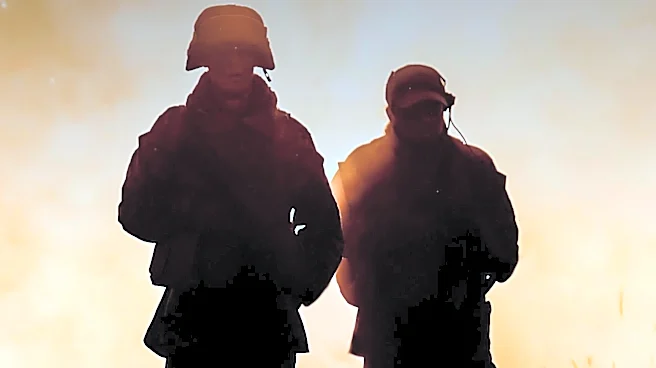
The new documentary 'Soul Patrol,' directed by JM Harper, uncovers the hidden history of the Vietnam War's first all-Black special operations team, Army team 2/6 of company F, 51st infantry. Based on a 2003 memoir, the film follows author Ed Emanuel as he reunites
his team, exploring their experiences both during and after the war. These soldiers, part of long-range reconnaissance patrols (LRRPs), operated behind enemy lines. The documentary delves into the racial discrimination Black soldiers faced within the military and the profound psychological toll of their service, including survivor's guilt and PTSD. It uses raw Super 8mm footage, newsreels, photographs, and contemporary interviews to vividly portray their combat memories and the lasting impact of the war.
Why It's Important?
The documentary 'Soul Patrol' is crucial for broadening the historical understanding of the Vietnam War by centering the often-overlooked experiences of Black American soldiers. It highlights the dual challenges these soldiers faced: combat in a foreign land and systemic racial discrimination within their own military. The film's exploration of PTSD and survivor's guilt underscores the long-term mental health consequences of war, particularly for those who also contended with societal prejudice upon their return. By bringing this narrative to light, 'Soul Patrol' contributes to a more inclusive historical record and encourages a deeper national conversation about race, military service, and veteran care in the U.S. It also sheds light on the unique psychological burdens carried by Black veterans who were caught between a discriminatory military and an often hostile anti-war movement at home.
What's Next?
The release of 'Soul Patrol' is likely to spark discussions among historians, veterans' groups, and civil rights advocates about the legacy of Black soldiers in the Vietnam War. The film's powerful portrayal of PTSD may also draw attention to the ongoing need for mental health support for veterans, particularly those from marginalized communities. Educational institutions may utilize the documentary as a resource to teach about the complexities of the Vietnam War and the African American experience within the military. The film could also inspire further research into the contributions and challenges faced by Black service members in various conflicts, leading to more comprehensive historical accounts and potentially influencing public policy regarding veteran affairs and racial equity.
Beyond the Headlines
Beyond its historical narrative, 'Soul Patrol' delves into the profound psychological and emotional dimensions of war and racial identity. The film's depiction of soldiers reliving combat experiences in everyday settings powerfully illustrates the pervasive nature of PTSD and the difficulty of reintegration into civilian life. It also touches on the unique sense of betrayal felt by Black soldiers who fought for a country that denied them full equality, creating a complex emotional landscape of patriotism, rage, and unresolved grief. The documentary implicitly critiques the historical erasure of these narratives, emphasizing the importance of diverse voices in shaping collective memory. The bond formed among the soldiers, forged in extreme circumstances, speaks to the enduring human need for connection and shared experience in the face of trauma, highlighting the deep camaraderie that can emerge even amidst profound suffering.