






What's Happening?
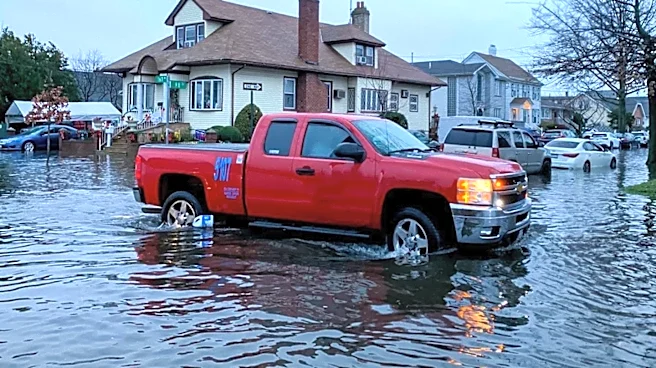
Emergency officials in southern Somerset County, Pennsylvania, have announced that recent flood damage in the region does not qualify for state aid, even after reassessment. Residents experienced significant losses due to heavy rainfall, with one local,
Brandy Freese, reporting 10 feet of water in her basement, damaging her HVAC system, hot water tank, well tank, and sump pump. Other residents in the area have lost vehicles and farm equipment, and some homes have been dislodged from their foundations. Many affected individuals are on fixed incomes, exacerbating their financial hardships. The local emergency management coordinator indicated that the state's assistance standards are complex and not designed for widespread populations, making it difficult for the county to meet the required thresholds for aid.
Why It's Important?
This situation highlights a critical flaw in state disaster relief mechanisms, where rigid qualification thresholds can leave communities in dire need without essential support. The inability of Somerset County to secure state aid, despite widespread damage and significant personal losses, underscores the challenges faced by smaller communities when disaster strikes. It reveals a disconnect between the on-the-ground realities of affected residents and the bureaucratic criteria for assistance. This could lead to prolonged recovery periods for individuals and communities, increased financial strain on local governments, and a potential erosion of public trust in disaster preparedness and response systems. The current standards disproportionately affect those on fixed incomes, who often lack the resources to recover independently.
What's Next?
Officials suggest that the only viable path forward for Somerset County to receive state assistance is through new legislation passed in Harrisburg, which would modify the existing thresholds for aid. This implies a need for political action and advocacy to address the current limitations of disaster relief policies. Residents and local officials will likely continue to press for changes to these standards, potentially engaging with state lawmakers to highlight the inadequacy of the current system. Without legislative intervention, affected residents will continue to bear the financial burden of recovery themselves, relying on personal resources or private charitable efforts. The outcome of any legislative push will determine whether similar communities in Pennsylvania will face the same challenges in future disaster events.
Beyond the Headlines
The Somerset County situation brings to light broader ethical and policy questions regarding governmental responsibility in disaster recovery. The 'one size fits all' approach to disaster aid, as described by the local emergency management coordinator, often fails to account for the unique vulnerabilities and economic realities of different communities. This incident could spark a wider debate on the equity and effectiveness of disaster relief frameworks across the U.S., potentially leading to calls for more flexible and needs-based assessment criteria. It also underscores the psychological toll on communities when they feel abandoned by higher levels of government during crises, potentially fostering resentment and distrust. The long-term implications could include increased migration from vulnerable areas and a greater reliance on community-led resilience efforts in the absence of adequate state support.