










What's Happening?
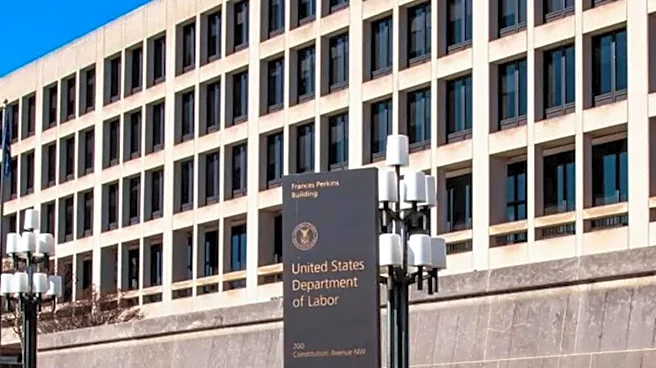
The federal minimum wage for covered, nonexempt workers in the United States remains at $7.25 per hour. This rate has not been updated at the federal level. While the federal standard provides a baseline, many states and localities have established their
own minimum wage laws that exceed this amount. For instance, as of January 1, 2025, the Illinois minimum wage is set to increase to $15 per hour for workers aged 18 and older. Employers are generally required to pay at least the state or federal minimum wage, whichever is higher. Federal law mandates that employers connected to interstate commerce and earning over $500,000 annually must adhere to the federal minimum wage. Specific rules apply to tipped employees and youth workers, where different minimum wage amounts may be applicable. Additionally, certain employees, such as those in training, may be paid a reduced rate for a limited period, as seen in Illinois where trainees can be paid up to $0.50 below the minimum wage for their first 90 days.
Why It's Important?
The stagnant federal minimum wage has significant implications for workers and the economy across the U.S. A federal minimum wage of $7.25 per hour, unchanged for an extended period, means that in states without higher local or state minimums, workers' purchasing power may erode due to inflation. This can lead to increased financial strain for low-wage earners, potentially exacerbating income inequality. For businesses, particularly those operating across state lines, navigating varying minimum wage laws can create compliance complexities. Employers must be diligent in understanding and applying the most protective wage standard, whether federal, state, or local, to avoid legal repercussions. The disparity between the federal rate and higher state rates highlights a growing divergence in labor standards, impacting labor markets differently across regions. States with higher minimum wages may see different economic outcomes, such as changes in employment levels or consumer spending, compared to states that adhere strictly to the federal baseline.
What's Next?
The ongoing discussion around the federal minimum wage is likely to continue, with potential for legislative efforts to increase the federal standard. However, without federal action, states and municipalities will likely continue to implement their own minimum wage increases, leading to a patchwork of wage laws across the country. Employers will need to stay informed about these evolving local and state regulations to ensure compliance. For example, Illinois is set to increase its minimum wage to $15 per hour for adult workers in 2025, and the state's Dignity in Pay Act will eliminate sub-minimum wages for workers with disabilities by December 31, 2029. These changes indicate a trend towards higher wage floors at the state level, which could pressure federal lawmakers to reconsider the national standard. Businesses should anticipate further localized adjustments and prepare to adapt their compensation structures accordingly, potentially investing in training for HR and payroll staff to manage these complexities.
Beyond the Headlines
The persistence of a low federal minimum wage raises broader questions about economic justice and the role of government in ensuring a living wage. The debate often centers on the balance between supporting workers and potential impacts on business profitability and employment rates. While some argue that a higher minimum wage can stimulate local economies by increasing consumer spending, others express concerns about job losses or increased operational costs for small businesses. The varying state and local responses to the federal minimum wage underscore a decentralized approach to labor policy, reflecting diverse economic conditions and political priorities across the nation. This fragmented landscape can create competitive disadvantages or advantages for businesses depending on their location, and it highlights the challenges of achieving a uniform standard of living for all American workers. The long-term implications could include continued migration of labor to areas with higher wages and increased pressure on federal policymakers to address the widening gap between the federal minimum and the cost of living.