









What's Happening?
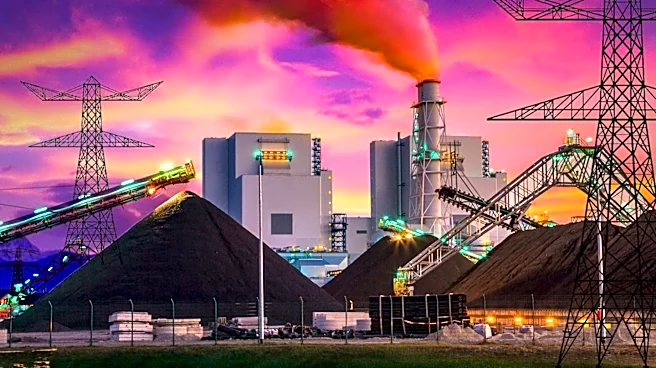
The Trump administration is proposing the construction of two new large coal-fired power plants in the United States, despite the fact that no such plants have been built in the last 13 years. This initiative is part of President Trump's broader energy
policy, which aims to revitalize the coal industry. However, experts warn that the financial implications could be significant, even with federal support. The cost of building these plants is expected to be astronomical, raising concerns about the economic viability of such projects. This proposal comes at a time when the energy sector is increasingly shifting towards renewable sources, and the demand for coal is declining.
Why It's Important?
The proposal to build new coal-fired power plants is significant as it highlights the ongoing debate over energy policy in the United States. On one hand, it represents an effort to support the coal industry and preserve jobs in coal-dependent regions. On the other hand, it raises questions about environmental impact and economic sustainability. The high costs associated with building and operating these plants could lead to increased energy prices for consumers. Additionally, this move could hinder progress towards reducing carbon emissions and transitioning to cleaner energy sources, which is a priority for many states and environmental groups.
What's Next?
If the proposal moves forward, it is likely to face legal and regulatory challenges from environmental groups and states that are committed to reducing carbon emissions. The administration will need to secure funding and navigate a complex approval process. Public opinion and political pressure could also influence the outcome, as stakeholders from various sectors weigh in on the potential impacts. The future of these proposed plants will depend on the administration's ability to address these challenges and justify the economic and environmental costs.