








What's Happening?
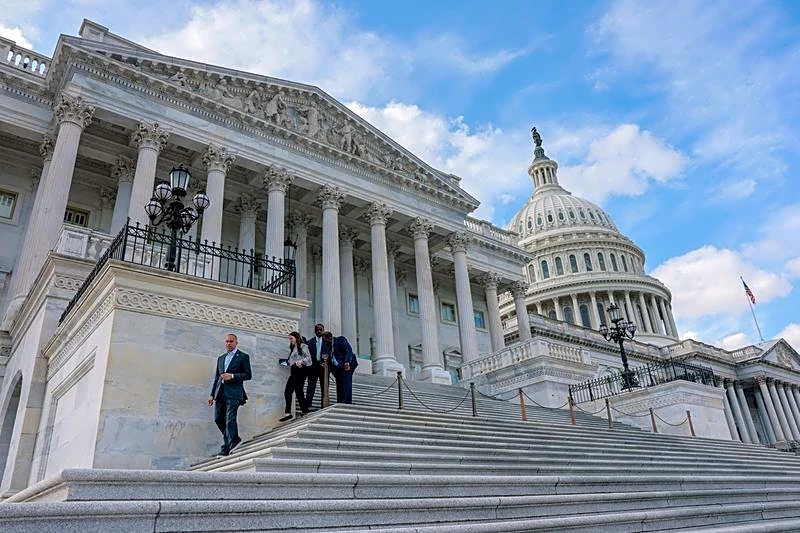
U.S. Senators Bill Cassidy (R-LA) and Martin Heinrich (D-NM) have introduced the Literacy Improvement for Transformation (LIFT) Act. This bipartisan legislation aims to enhance child literacy nationwide by increasing the number of reading and literacy specialists
in K-12 public schools. The LIFT Act seeks to ensure that every school has at least one full-time reading or literacy specialist on staff. A key focus of the bill is to provide tailored instruction for students with dyslexia, a condition affecting one in five children, to help them achieve reading proficiency. The legislation establishes a grant program for state and local education agencies, non-profits, and Bureau of Indian Education schools to hire these specialists. The act mandates that specialists dedicate at least 80% of their time to direct student and teacher engagement, supports ongoing professional development, and prioritizes assistance for the lowest-performing students and those with disabilities. This initiative builds on Senator Cassidy's previous efforts, including the 21st Century Dyslexia Act and the Reading Excellence and Achievement for Development (READ) Act, both aimed at improving dyslexia diagnoses, access to evidence-based interventions, and early literacy screening.
Why It's Important?
The LIFT Act addresses a critical educational challenge in the U.S.: childhood literacy rates. According to the Annie E. Casey Foundation, children who are not reading proficiently by third grade are four times more likely to drop out of high school. This legislation is particularly significant for students in rural communities and those with learning disabilities, who often face additional barriers to developing strong reading skills. By increasing the presence of trained reading specialists, the act aims to close literacy gaps and provide personalized instruction to students most in need. This can lead to improved academic outcomes, increased high school graduation rates, and better long-term societal contributions from a more literate population. The bipartisan nature of the bill underscores a shared recognition of the urgency of this issue across political divides, potentially paving the way for broader support and implementation. Investing in early literacy is seen as a foundational step for future educational and economic success for individuals and the nation.
What's Next?
The LIFT Act will now proceed through the legislative process in the U.S. Senate, where it will likely undergo committee review and potential amendments before a vote. Given its bipartisan sponsorship, the bill may garner significant support, especially considering the established need for improved literacy programs. If passed by the Senate, it would then move to the House of Representatives for consideration. Stakeholders, including educational organizations, dyslexia advocacy groups, and parent associations, are expected to advocate for its passage. The successful implementation of the grant program would depend on congressional appropriations and the active participation of state and local education agencies. The act's emphasis on evidence-based literacy certifications suggests a future focus on professional development for educators, potentially leading to increased demand for specialized training programs. The progress of this bill will be closely watched as an indicator of legislative commitment to addressing foundational educational challenges.
Beyond the Headlines
The introduction of the LIFT Act highlights a broader societal recognition of the long-term impacts of early childhood literacy. Beyond immediate academic benefits, strong reading skills are fundamental for civic engagement, economic mobility, and overall quality of life. The focus on dyslexia also brings attention to neurodiversity in education, advocating for inclusive practices that cater to diverse learning needs rather than a one-size-fits-all approach. This legislative effort could spur a national conversation about the resources allocated to foundational learning skills and the systemic support available for students with learning disabilities. Furthermore, the act's grant program structure could serve as a model for other targeted educational interventions, encouraging collaboration between federal, state, and local entities, as well as non-profit organizations, to address specific educational disparities. The success of such initiatives could influence future policy-making in education, emphasizing preventative measures and early intervention strategies.