







What's Happening?
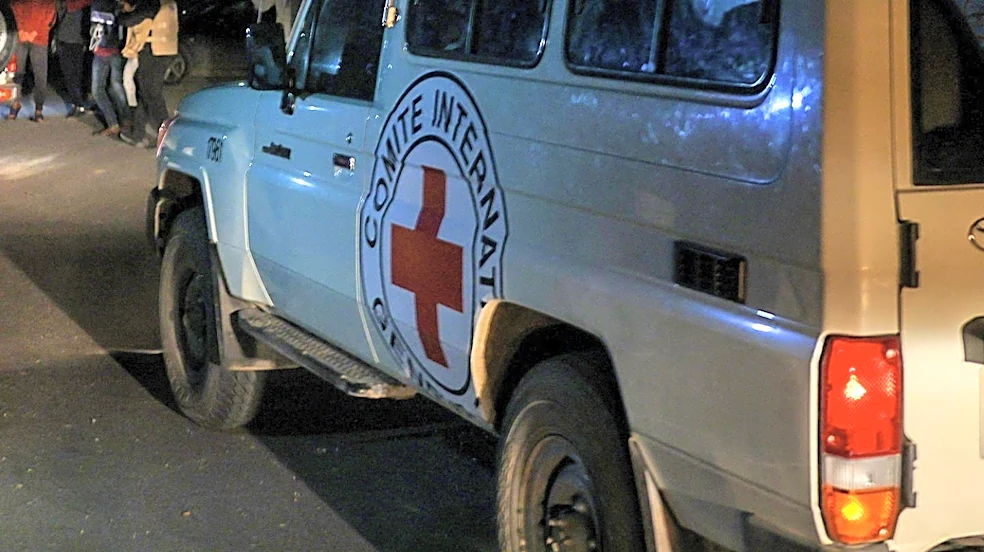
Mirjana Spoljaric, President of the International Committee of the Red Cross (ICRC), issued a warning in April 2024 against the dehumanization of entire populations and the disregard for rules protecting victims in conflict zones. She emphasized that
such trends could undermine the future capacity of international humanitarian law to safeguard human beings. This concern arises in the context of narratives that frame contemporary political conflicts as broader identity-based confrontations, potentially blurring the distinction between opposition to a government's actions and the portrayal of an entire society or culture as an enemy. The ICRC has been active since 1863, working to alleviate suffering and uphold human dignity during war and armed violence. Their efforts include supporting emergency services in Yemen and expressing concerns about the health system's capacity in Gaza, as well as highlighting the psychological impact of conflict on residents, particularly children. The ICRC also maintains partnerships, such as with Saudi Arabia, to fund their humanitarian work in various regions.
Why It's Important?
The ICRC's warning is crucial for U.S. foreign policy and international relations, particularly as it addresses the potential for narratives to escalate political disagreements into civilizational conflicts. Such framing can have profound human rights implications, as it risks diminishing sensitivity to civilian suffering and justifying broader military interventions. If conflicts are portrayed as struggles for civilizational survival, the imperative of victory could overshadow humanitarian considerations, leading to increased civilian casualties, displacement, and destruction of infrastructure, as seen in past conflicts like those in Iraq and Afghanistan. This approach can also extend divisions into Western societies, potentially fueling suspicion and discrimination against minority groups, such as Muslims, if a particular cultural identity is positioned as a civilizational threat. The ICRC's stance underscores the importance of adhering to international humanitarian law and universal human rights, regardless of political or cultural affiliations, to prevent the erosion of protections for individuals in conflict zones.
What's Next?
The ICRC will likely continue to advocate for the strict adherence to international humanitarian law and the protection of civilians in armed conflicts. Their ongoing work in regions like Yemen and Gaza will serve as critical examples of the human cost when these principles are disregarded. The organization may intensify its efforts to engage with authorities and armed forces to press for compliance with humanitarian law and access to detainees. Furthermore, the ICRC's emphasis on the psychological impact of war, especially on children, suggests a continued focus on comprehensive humanitarian aid that addresses both physical and mental well-being. The broader international community, including the U.S., will face ongoing pressure to evaluate their rhetoric and policies to ensure they do not inadvertently contribute to the dehumanization of populations or undermine the foundational principles of international humanitarian law.
Beyond the Headlines
The deeper implication of the ICRC's warning lies in the ethical and legal challenges posed by the weaponization of identity in international discourse. When political conflicts are reinterpreted through a lens of historical and civilizational confrontation, it can create a dangerous precedent where the universal rights of human beings become contingent on their cultural or national affiliations. This shift can lead to a moral relativism in conflict, where the suffering of the 'other' is deemed less significant. The ICRC's call to maintain a distinction between governments and their populations, and to avoid transforming political disagreements into judgments about the human worth of nations, highlights a fundamental ethical imperative. The long-term shift triggered by such narratives could be a weakening of the international legal framework designed to protect all individuals during wartime, making it harder to hold actors accountable for violations and potentially leading to more protracted and brutal conflicts.