








What's Happening?
A recent study, the Eating Healthy and Daily Life Activities (EHDLA) study, has found a significant association between the isocaloric substitution of animal-based protein with plant-based protein and improved academic performance in adolescents. The
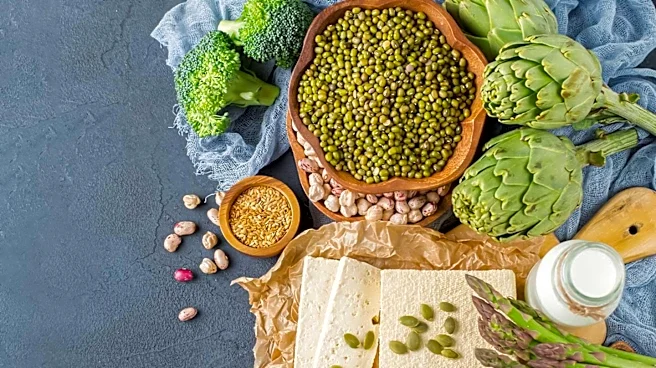
research, which analyzed data from 769 adolescents (55.5% girls, aged 12–17 years), utilized a 45-item food-frequency questionnaire to assess dietary intake. Academic performance was measured using grade point average and scores in specific subjects such as language, mathematics, and foreign language. The study applied isocaloric substitution models, adjusting for sociodemographic, lifestyle, and anthropometric factors, to estimate the association. The findings consistently showed that replacing animal-based protein with plant-based protein was linked to higher academic performance across all evaluated outcomes, with all p-values less than 0.001. Specifically, substituting 5% of total energy intake was associated with higher grade point averages and subject-specific scores. This positive association was primarily driven by replacing protein from red/processed meat and certain fish with plant-based sources.
Why It's Important?
This study highlights the potential importance of dietary protein sources in influencing educational outcomes among adolescents, a critical demographic for future societal development. The findings suggest that dietary interventions focusing on plant-based protein substitution could offer a novel approach to support academic achievement, potentially impacting public health and education policies. For U.S. families and schools, this research provides a scientific basis for promoting plant-based dietary patterns, which could lead to healthier eating habits and improved cognitive function. The implications extend to the food industry, encouraging the development and promotion of plant-based protein alternatives. Furthermore, the study underscores the broader connection between nutrition and cognitive development, emphasizing that dietary choices have far-reaching effects beyond physical health. If these findings are widely adopted, they could influence school lunch programs, nutritional guidelines, and parental dietary decisions, ultimately contributing to a more academically successful and healthier youth population.
What's Next?
The findings of the EHDLA study suggest a need for further research to explore the mechanisms through which plant-based protein substitution impacts academic performance. Future studies could delve into specific plant-based protein sources and their unique effects on cognitive function, as well as investigate the long-term academic and health outcomes of such dietary changes. Policymakers in education and public health may consider these results when developing nutritional guidelines for adolescents and designing school meal programs. Educational institutions might explore incorporating more plant-based options into their cafeterias and promoting nutritional education that emphasizes the benefits of plant-based proteins. Additionally, the food industry is likely to continue innovating and expanding its range of plant-based protein products to meet potential increased demand driven by health and academic benefits. Public health campaigns could also be developed to inform parents and adolescents about the potential academic advantages of incorporating more plant-based proteins into their diets.
Beyond the Headlines
Beyond the direct academic implications, this study touches upon broader societal shifts towards sustainable and ethical food consumption. The emphasis on replacing red/processed meat with plant-based alternatives aligns with growing concerns about environmental sustainability and animal welfare. This research could further accelerate the adoption of plant-based diets, not just for health reasons but also for their potential cognitive benefits, adding another layer of motivation for individuals and institutions to embrace more sustainable food systems. The study also implicitly challenges traditional dietary norms that often prioritize animal proteins, suggesting a re-evaluation of what constitutes an optimal diet for adolescent development. This could lead to a cultural shift in how protein sources are perceived and valued, potentially influencing culinary practices, food marketing, and even agricultural policies. The ethical dimension of food choices, particularly concerning the impact of meat consumption, gains additional weight when linked to tangible benefits like academic success, fostering a more holistic understanding of dietary responsibility.