



What's Happening?
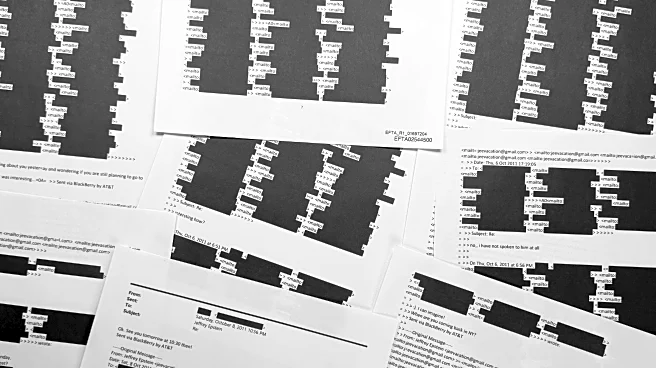
In the case involving Luigi Mangione, a judge is set to determine whether certain pieces of evidence should be excluded from the trial. The defense is advocating for the exclusion of some evidence, arguing that its public release could influence the jury
selection process. The release of this evidence to the public has raised concerns about its potential impact on the impartiality of potential jurors. The case has garnered attention due to the nature of the evidence and the implications it may have on the trial's outcome. CBS News New York's Alice Gainer reports on the situation, highlighting the complexities involved in balancing public access to information with the need for a fair trial.
Why It's Important?
The decision on whether to exclude evidence in the Luigi Mangione case is significant as it touches on the broader issue of how public access to trial information can affect the judicial process. The release of evidence to the public can lead to pre-trial publicity, which may influence potential jurors and challenge the fairness of the trial. This situation underscores the delicate balance courts must maintain between transparency and ensuring an unbiased jury. The outcome of this decision could set a precedent for how similar cases are handled in the future, impacting legal strategies and the rights of defendants to a fair trial.
What's Next?
The judge's decision on the exclusion of evidence will be a critical next step in the Luigi Mangione case. If the evidence is excluded, it could alter the course of the trial and the defense's strategy. Conversely, if the evidence remains part of the trial, the defense may need to address potential biases during jury selection. The legal community and public will be closely watching the judge's ruling, as it may influence future cases involving the release of evidence to the public. Stakeholders, including legal experts and civil rights advocates, may weigh in on the implications of the decision.