



What's Happening?
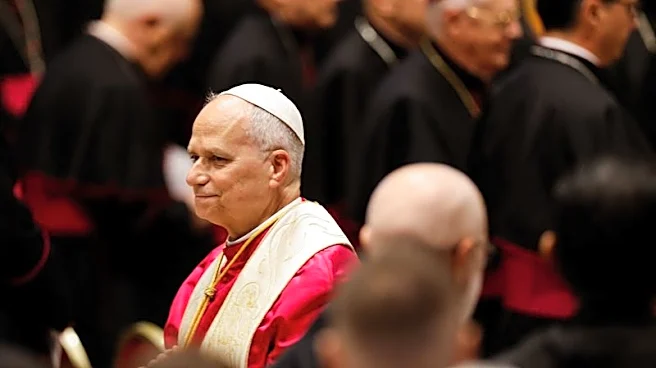
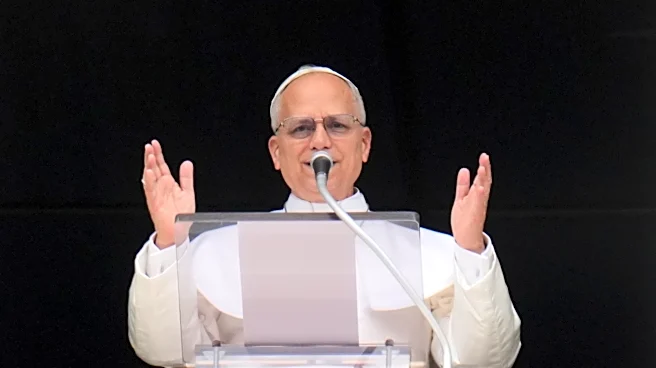
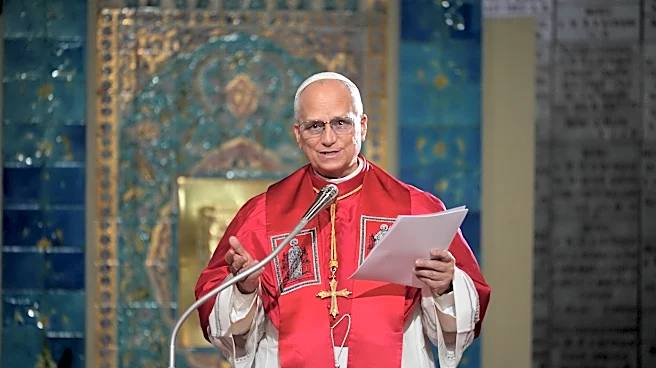
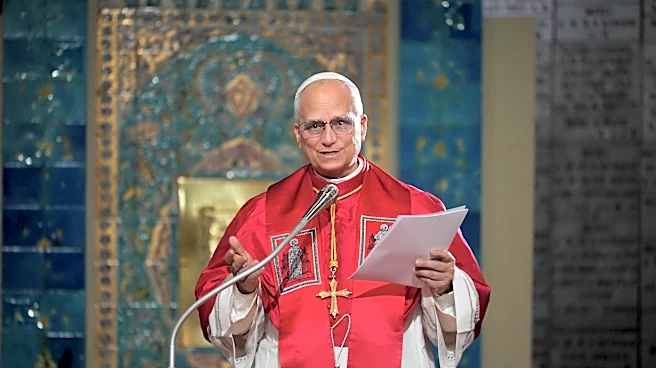
Jon Stewart, returning to The Daily Show, addressed President Trump's recent conflict with the Vatican and a controversial AI-generated image. President Trump had criticized Pope Leo XIV's peace message amid the U.S.-Israeli conflict with Iran, which
upset many Christians. Stewart humorously suggested that Trump and the Catholic Church share a historical interest in covering up scandals. The controversy escalated when Trump posted, then deleted, an AI-generated image depicting himself as Jesus Christ, healing a figure resembling Stewart. This image drew significant backlash, prompting Trump to defend it as a depiction of himself as a doctor. Stewart mocked this defense, urging Trump to improve his rhetoric.
Why It's Important?
This incident highlights ongoing tensions between President Trump and religious institutions, potentially affecting his support among Christian voters. The use of AI-generated images in political discourse raises ethical concerns about misinformation and the portrayal of public figures. Stewart's critique reflects broader societal fatigue with Trump's controversial actions and rhetoric. The backlash against the image underscores the sensitivity of religious imagery in political contexts and the potential for such actions to alienate key voter demographics.
What's Next?
The fallout from this incident may prompt further scrutiny of President Trump's relationship with religious communities and his use of AI technology in public communications. Political analysts will likely monitor any shifts in support among Christian voters. Additionally, the ethical implications of AI-generated content in politics may lead to calls for regulatory measures or guidelines to prevent misuse. Stewart's commentary suggests a growing public desire for accountability and transparency in political leadership.
Beyond the Headlines
The use of AI in creating politically charged images raises questions about the future of digital media and its impact on public perception. As AI technology becomes more sophisticated, the potential for creating misleading or provocative content increases, challenging traditional media ethics. This incident may spark discussions about the role of satire and comedy in political discourse, as well as the responsibilities of public figures in shaping public narratives.