




What's Happening?
Israel has deployed its Iron Dome air defense system to the United Arab Emirates (UAE) in response to a significant increase in missile and drone attacks from Iran. This deployment, which includes personnel to operate the system, marks the first time
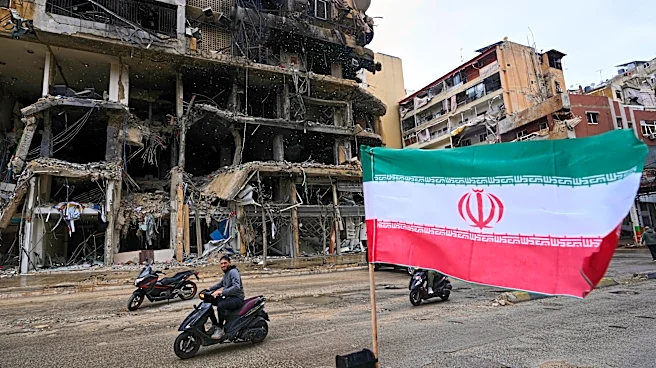
the Iron Dome has been transferred to another country. The decision followed a request for assistance from UAE President Sheikh Mohammed bin Zayed to Israeli Prime Minister Benjamin Netanyahu. The UAE faced the highest number of Iranian missile and drone launches during the conflict, with 550 ballistic and cruise missiles and 2,200 drones reportedly launched by Iran. While most were intercepted, some did hit military and civilian targets. The deployment of the Iron Dome has been seen as a significant step in military cooperation between Israel and the UAE.
Why It's Important?
The deployment of the Iron Dome to the UAE underscores the growing military and strategic ties between Israel and Gulf states, particularly in the face of shared threats from Iran. This move not only enhances the UAE's defense capabilities but also signals a shift in regional alliances, with Israel emerging as a key security partner for the UAE. The cooperation could lead to further military and intelligence collaboration, potentially altering the balance of power in the Middle East. For the U.S., which has also been involved in supporting the UAE, this development strengthens its allies' defense posture against Iranian aggression, thereby stabilizing a critical region for global energy supplies.
What's Next?
The deployment of the Iron Dome may lead to further military collaborations between Israel and other Gulf states, potentially involving joint exercises or additional defense agreements. The UAE's acceptance of Israeli military support could pave the way for deeper diplomatic and economic ties, possibly influencing other countries in the region to follow suit. Additionally, Iran's response to this increased military cooperation will be closely watched, as it could escalate or de-escalate tensions depending on Tehran's strategic calculations.
Beyond the Headlines
This development highlights a significant shift in Middle Eastern geopolitics, where traditional hostilities are being set aside in favor of pragmatic alliances against common threats. The UAE's public sentiment towards Israel is also evolving, as the necessity of defense against Iranian threats becomes a priority. This could lead to broader acceptance of Israel in the region, potentially impacting future peace negotiations and economic partnerships.