




What's Happening?
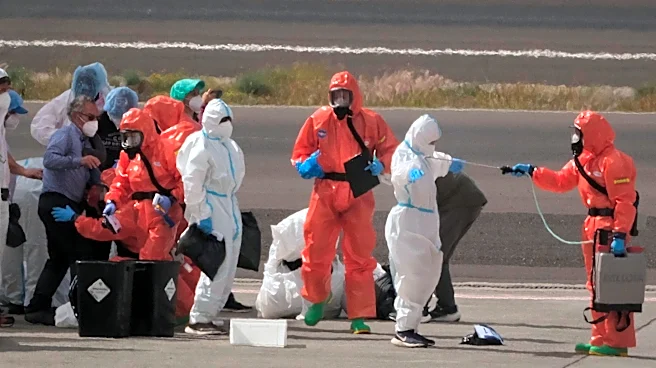
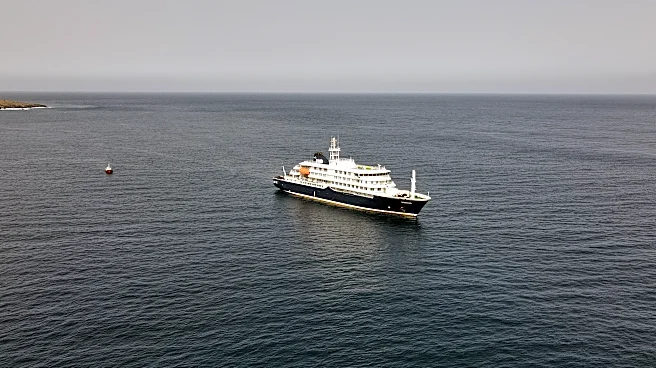
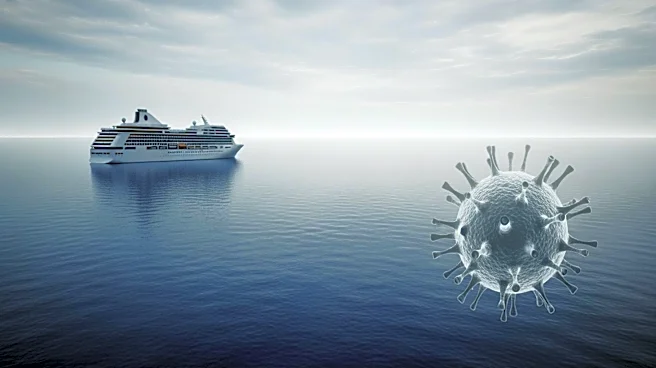
The recent hantavirus outbreak on a cruise ship has reignited public anxiety, reflecting a lingering crisis mentality in America post-COVID. Despite health officials assuring that the public risk remains low, social media has been rife with speculation
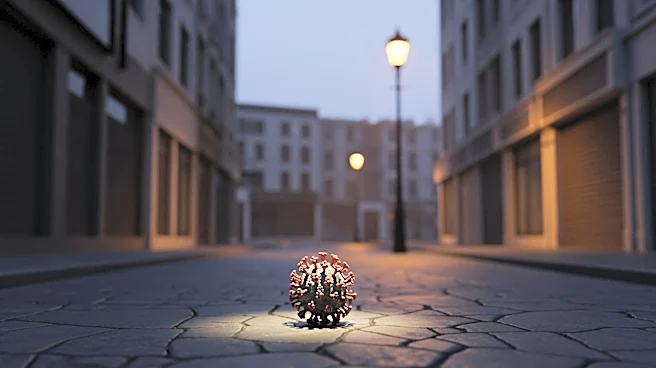
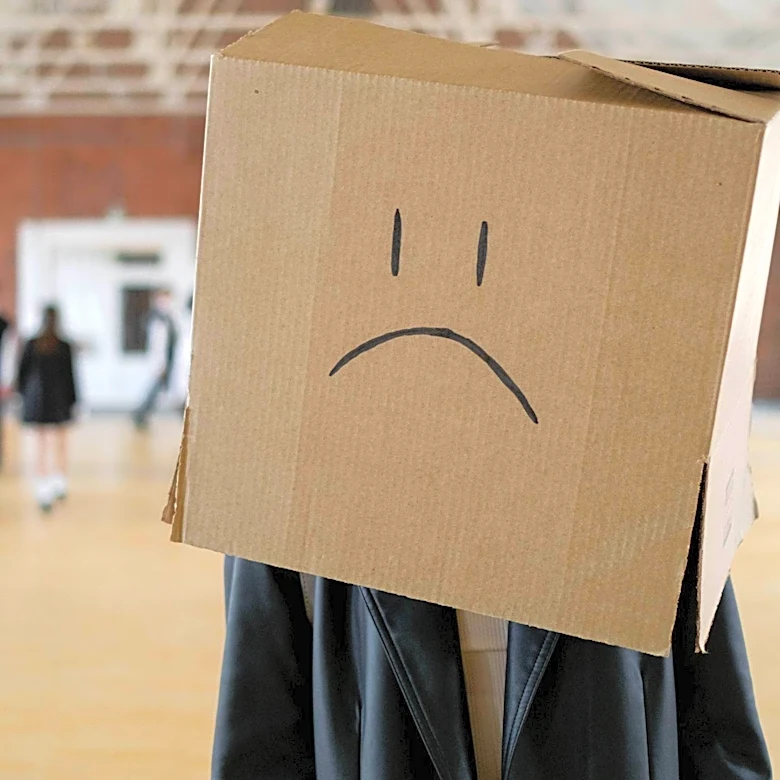
and imagery reminiscent of the COVID-19 pandemic. This reaction underscores a broader psychological shift among Americans, who have become accustomed to anticipating disruptions in daily life. The pandemic has left a lasting impact, with many people recalibrating their risk assessments for everyday activities such as travel, work, and social gatherings. This adaptation to prolonged uncertainty has become a new norm, as Americans continue to navigate a world where stability feels temporary.
Why It's Important?
The persistence of a crisis mindset in America has significant implications for public health, societal resilience, and mental well-being. While the ability to adapt to uncertainty is a testament to human resilience, it also poses challenges for returning to a sense of normalcy. The continuous anticipation of disruption can erode public trust and lead to defensive overcorrections by institutions. This mindset may hinder the ability to fully engage in ordinary life, affecting economic activities, social interactions, and overall quality of life. Understanding and addressing this psychological shift is crucial for fostering a more resilient society that can balance preparedness with the ability to live without constant fear of collapse.
What's Next?
Moving forward, it is essential for public health officials and policymakers to address the psychological impacts of prolonged crisis mode. Efforts should focus on rebuilding public trust and promoting mental health resilience. This includes clear communication about risks, fostering community support systems, and encouraging practices that help individuals manage anxiety and uncertainty. Additionally, there may be a need for public education campaigns to help people differentiate between necessary vigilance and excessive fear. By doing so, society can work towards a healthier balance between preparedness and the ability to enjoy everyday life without undue stress.
Beyond the Headlines
The ongoing crisis mentality in America also raises questions about the role of media and technology in shaping public perception. The modern information environment, characterized by constant connectivity and rapid dissemination of news, can amplify feelings of instability. This highlights the need for responsible media practices and digital literacy education to help individuals critically assess information and manage their emotional responses. Furthermore, the cultural shift towards viewing stability as temporary may influence future policy decisions, particularly in areas related to emergency preparedness, mental health services, and community resilience initiatives.