






What's Happening?
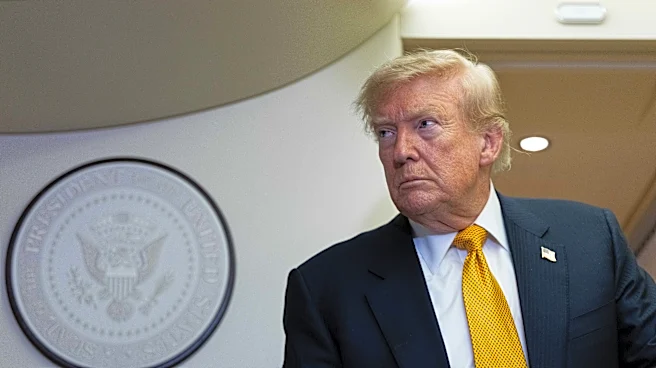
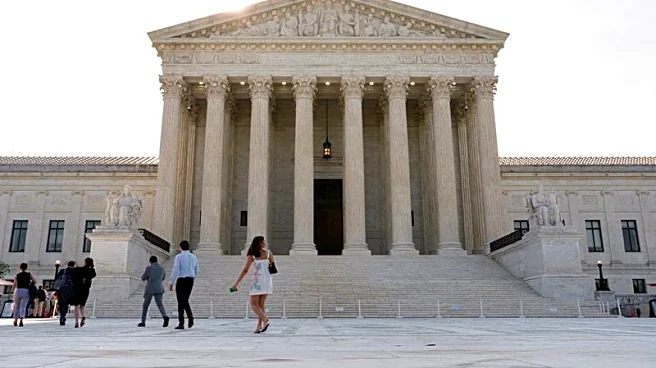
The U.S. Supreme Court has ruled in favor of President Trump, allowing him to dismiss members of independent agencies, such as the Federal Trade Commission (FTC), without cause. This decision overturns the 1935 precedent set by Humphrey’s Executor v.
United States, which had protected FTC commissioners from being removed by the president except for inefficiency, neglect of duty, or malfeasance. The 6-3 decision, written by Chief Justice Roberts, argues that the old precedent does not align with the founding views of presidential power. This ruling supports President Trump's previous dismissal of Democratic FTC Commissioners Rebecca Kelly Slaughter and Alvaro Bedoya. However, the Court did not extend this ruling to all independent agencies, notably protecting the Federal Reserve Board from similar actions.
Why It's Important?
This Supreme Court decision significantly alters the balance of power between the presidency and independent federal agencies. By allowing the president to remove FTC commissioners without cause, the ruling potentially increases executive influence over regulatory bodies that are meant to operate independently. This could lead to shifts in how these agencies enforce regulations, impacting industries ranging from technology to consumer goods. The decision may also set a precedent for future challenges to the independence of other federal agencies, potentially affecting their ability to operate without political interference. Critics argue that this could undermine the checks and balances designed to prevent executive overreach.
What's Next?
The ruling leaves open questions about the future of other independent agencies, such as the NLRB and SEC, which may face similar challenges to their leadership structures. Legal and political debates are likely to continue as stakeholders assess the implications of this decision. The FTC and other agencies may need to navigate new dynamics in their interactions with the executive branch, potentially affecting their regulatory agendas. Additionally, the decision could prompt legislative efforts to redefine the scope of presidential power over independent agencies.
Beyond the Headlines
The ruling raises concerns about the potential for increased politicization of regulatory agencies, which could affect their credibility and effectiveness. There is also a broader constitutional debate about the separation of powers and the role of independent agencies in the federal government. This decision may lead to further legal challenges and discussions about the appropriate balance between executive authority and agency independence.