
What's Happening?
The Natural Resources Board in Wisconsin has approved the acquisition of 77 acres of land from the Kenneth W. Aldridge Living Trust, which will expand the Willow Flowage Scenic Waters Area in Oneida County.
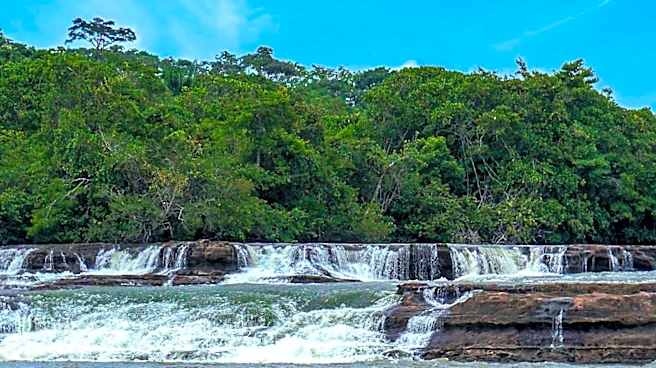
This purchase, costing $231,000, will be funded through the Knowles-Nelson Stewardship Program. According to DNR Real Estate Section Manager Kaylin Helm, the parcel is located entirely within the existing Willow Flowage project boundary and is accessible to the public via adjacent department-owned land and its frontage on Camp Nine Road. The acquisition will add 1.5 miles of river frontage, enhancing recreational opportunities in an area already popular for canoeing, kayaking, fishing, and wildlife viewing. Resolutions of support for the acquisition were received from the Town of Minocqua and Oneida County, indicating local backing for the expansion. The Willow Flowage Scenic Waters Area was originally established in 1997 with the goal of preserving its undeveloped character and scenic beauty for future generations.
Why It's Important?
This expansion is significant for conservation efforts and public recreation in Wisconsin. By adding 77 acres and 1.5 miles of river frontage to the Willow Flowage Scenic Waters Area, the state is further protecting critical natural habitats and ensuring continued public access to outdoor recreational activities. The use of the Knowles-Nelson Stewardship Program for funding underscores the state's commitment to land preservation and environmental stewardship. This initiative helps maintain the ecological integrity of the region, which is vital for biodiversity and ecosystem health. For residents and tourists, the expansion means more opportunities for outdoor pursuits, contributing to local economies through recreation and tourism. It also reinforces the long-term vision of preserving natural spaces for future generations, aligning with the original intent of the Willow Flowage Scenic Waters Area established in 1997. The local support from Minocqua and Oneida County highlights the community's recognition of the value of these natural assets.
What's Next?
Following the Natural Resources Board's approval, the acquisition process for the 77 acres from the Kenneth W. Aldridge Living Trust will proceed, utilizing funds from the Knowles-Nelson Stewardship Program. Once the purchase is finalized, the newly acquired land will be integrated into the Willow Flowage Scenic Waters Area, becoming accessible to the public. This expansion is expected to immediately enhance recreational opportunities, particularly for activities like canoeing, kayaking, fishing, and wildlife viewing, due to the added river frontage. The successful acquisition may also encourage further conservation efforts in the region, potentially inspiring similar land purchases or conservation easements to protect other valuable natural areas. The continued support from local municipalities like the Town of Minocqua and Oneida County suggests a collaborative approach to environmental preservation and public land management in Wisconsin, which could lead to future joint initiatives.
Beyond the Headlines
The expansion of the Willow Flowage Scenic Waters Area reflects a broader trend in the U.S. towards prioritizing and investing in natural resource conservation and outdoor recreation. As urban areas grow and natural landscapes face increasing pressures, the preservation of undeveloped areas like the Willow Flowage becomes crucial for ecological balance and human well-being. This initiative highlights the importance of programs like the Knowles-Nelson Stewardship Program, which provide dedicated funding for land acquisition and protection. Beyond the immediate recreational benefits, such conservation efforts contribute to climate resilience, water quality protection, and the preservation of critical wildlife corridors. The long-term impact extends to fostering a deeper connection between communities and their natural environment, promoting environmental education, and supporting sustainable tourism. This move by the Natural Resources Board serves as a model for how states can proactively safeguard their natural heritage for both ecological and societal benefits.