



What's Happening?
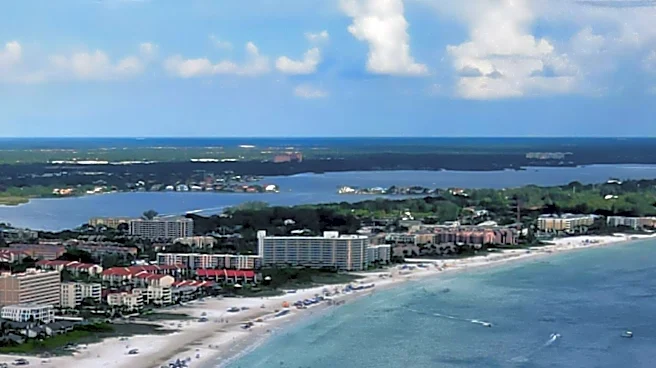
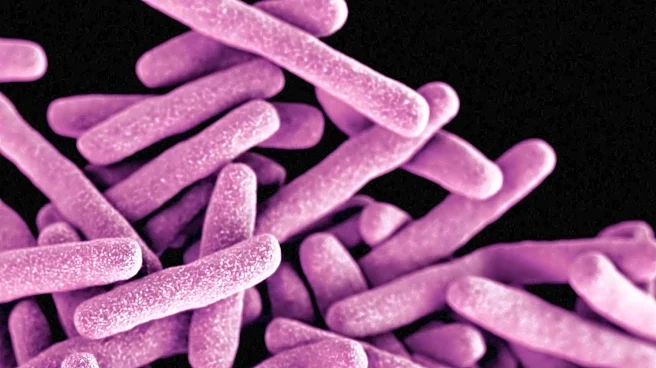
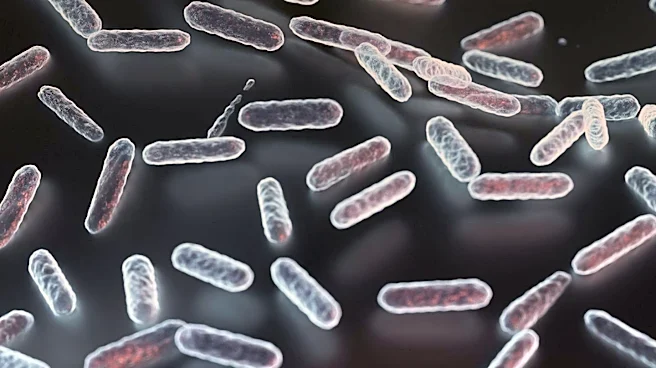
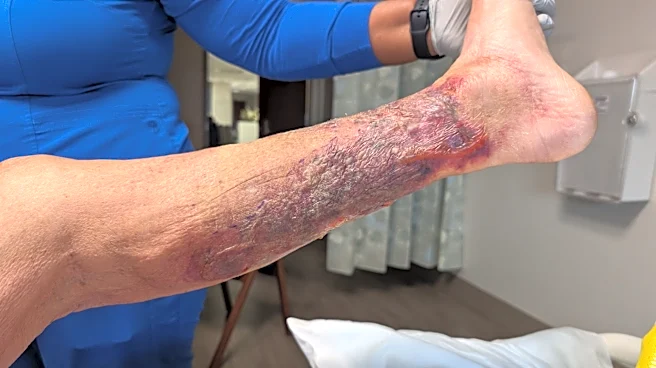
Florida has reported another death due to the flesh-eating bacteria Vibrio vulnificus, bringing the state's total to two deaths and 14 infections this year. The bacteria, which thrives in warm coastal waters, can cause severe infections leading to blistering
skin lesions, septic shock, and rapid tissue death. Health officials emphasize the importance of seeking immediate medical attention if symptoms appear. The bacteria can enter the body through open wounds or by consuming raw shellfish. The rise in cases is attributed to warmer waters, a consequence of climate change, which creates favorable conditions for the bacteria. The state health department has not identified the deceased individuals, but the deaths occurred in Mario and Palm Beach Counties.
Why It's Important?
The increase in Vibrio vulnificus cases highlights the growing public health challenge posed by climate change, as warmer ocean temperatures facilitate the spread of the bacteria. This situation underscores the need for heightened awareness and preventive measures among beachgoers and seafood consumers. The economic impact could be significant, affecting tourism and the seafood industry, particularly in states like Florida and Louisiana, which are popular for their coastal attractions. The health risks are particularly severe for individuals with compromised immune systems, making it crucial for vulnerable populations to take extra precautions.
What's Next?
Health officials are likely to continue monitoring the situation closely, issuing warnings and guidelines to the public to minimize exposure risks. There may be increased efforts to educate the public about the dangers of Vibrio vulnificus, especially during the peak summer months. Researchers might also focus on studying the bacteria's spread and developing strategies to mitigate its impact. The ongoing climate change discussions could see this issue being highlighted as an example of the broader health implications of environmental changes.